Meditating in the House of Light (Hikari no Yakata) by James Turrell

At the House of Light, you can experience an indoor neon sensation that contrasts with the outdoor lighting displaying a tatami room of art.

Recently due to the chilling winter season, I’ve been on a hot spring tour across Japan during my free weekends. Last month I visited the Tengu Onsen of Tochigi for a unique experience like no other, and this month I decided to visit House of Light (Hikari no Yakata in Japanese) for another one of a kind experience. House of Light, invented by American artist James Turrell, is a “meditation house” designed with traditional tatami rooms and fiber optic lighting to transmit light from natural sources. Both the rooms and the private onsen, which is shared between guests at different time intervals, incorporate light and darkness

This house has only two tatami rooms to stay overnight in making it a very intimate and private experience. Reservations are generally needed four months in advance due to the limited space, so be sure to plan ahead if you want to stay here. It is worth mentioning that this onsen is very bare-bones and only has the basic essentials so you can focus more on the art. Though this may be disappointing to those seeking a luxury experience, there’s nowhere else in Japan where you can experience this neon sensation, so I still highly recommend it to other onsen enthusiasts like myself.

If you are new to onsen, please consider checking out Kusatsu and Gunma first as they are more natural and accessible. After visiting many onsen, you will come to appreciate the features of House of Light even more!

Getting to House of Light

Unlike other onsen in Niigata, you can easily reach House of Light by taking a combination of trains and taxis, and the journey is quite scenic. From Tokyo Station, take the Jōetsu Shinkansen to Echigo Yuzawa Station. Then take the Hokuhoku Line to Tokamachi Station. The Hokuhoku Line is very unique because it consists of a single train car with a bunny mascot on it, and you can see the snowy mountains of Niigata outside of your window. Such a contrast from Tokyo! Once reaching Tokamachi Station, take a taxi (which will be waiting outside of the station) directly to House of Light. The journey will take a little less than three hours but is very exciting because there is a lot to see. The cost will be around 12000 yen including the taxi, which isn’t bad for a trip of this caliber.

There are a lot of things to do at Echigo Yuzawa Station too! This is the home of the famed festival Fuji Rock too.

Experiencing the Neon Light Display

In the next part of this article, I will cover the pros and cons of staying at House of Light.

Pros

This onsen only cost 25,000 yen per night, which is a really good price when split between a group of friends. Please note that you must pay for other amenities like towels and garbage disposal, but overall it is still an amazing deal. Compared to other onsen it is much smaller in size, but its minimalistic design is ideal for those who wish to mediate with nature and art. I enjoyed the quiet and intimate experience compared to other places I stayed. It was definitely a welcomed change!

Once we arrived, the staff was extremely welcoming and spoke both Japanese and English. They gave us a lot of information to read and were helpful with explaining how to use the bath and available amenities. The neon light display lasted for quite some time, and it was nice to meditate after doing some photography with my tripod. I definitely felt my body getting lighter as I focused on the beautiful light and nature around me. The art room combines concepts of both Japanese and Western art giving it a nostalgic feel. James Turrell based his design with concepts of the book “In Praise of Shadows” in mind it proudly shows in this display. Even if you don’t understand art, the theme is crystal clear.

The final point is the bath looks absolutely gorgeous at night. I loved the neon fiber optic colors because I’ve never seen them used anywhere else that I’ve stayed. Since the bath is private, you are free to take pictures of it too. This image is forever burned in my mind and I will never forget it:

Cons

The major con of House of Light is there are no meals available to order—you are expected to do all of the cooking yourself. We bought ingredients from the local supermarket to make nabe and also packed bento, but this took time away from enjoying the bath. Fortunately cooking utensils are provided, but other things such as seasonings you must supply yourself. When I stay overnight at onsen, I usually order the breakfast and dinner meal sets so I can experience the local ingredients of the prefecture that I’m visiting. Cooking was fun for the comradery, but you also must consider sharing the kitchen space with the other group that is staying with you.

That brings us to another point; since the utilities of House of Light are shared, the staff leaves it up to you to communicate with the other group of what time you want to use them. Fortunately the other group we shared the onsen with was nice and communicated well via text, but this would be an issue if they didn’t communicate frequently or if there was a language barrier. Though I didn’t realize this before, I think House of Light is best reserved with people you know. If I visit again, I will definitely reserve it with another group of people that I know.

The final con is that due to snow, we were unable to open the square roof and see the sky in the art room. This was a little disappointing but unpreventable, however the light show definitely still impressed me even without the natural lighting from above.

It’s up to you to weigh the pros and cons of staying here, but overall I give it a thumbs up!

Dining at Echigo Yuzawa Station

Before heading back to Tokyo, we decided to bathe in the sake onsen and eat some delicious hegi soba that is unique to Niigata Prefecture. Yes you heard that right, there is a sake onsen that you can bathe in at Echigo Yuzawa Station! It’s very small but only costs 800 yen to enter. I enjoyed the uniqueness of the bathe and felt extremely refreshed after bathing in two different baths this weekend. I hope to review more hot springs in English so I can recommend them to my friends.

The soba restaurant we visited was called Kojimaya and was located near the sake bath in Echigo Yuzawa Station. Hegi soba, one of Niigata’s specialty dishes, is smoother in texture comapred to regular soba and goes well with many different toppings. Whether you eat it hot or cold, you are guaranteed to enjoy its savory taste! Kojimaya also has a great selection of sake you can try. The menu is in both English and Japanese.

Final Thoughts

Though I wished the amenities were a bit better, I overall had an amazing time at the House of Light. My only regret is that I didn’t bring better photography equipment with me or take better photos for this article, but the whole point of coming here was to relax and take a break from the city which I accomplished.

Next month I plan to visit another onsen, but I have no idea where yet! If you have any suggestions, please feel free to drop them in the comments

The Journey to Tochigi’s Tengu Hot Spring: Kita Onsen

Relax in the hot waters of Kita Onsen overseen by legendary tengu.

It’s been quite a while since I published a Japan article since I’ve been traveling the world, but I am happy to announce that I have a new blog for you all! Over the weekend I decided to visit Kita Onsen in Tochigi Prefecture, which is about three hours from Tokyo by car. What makes this hot spring so special is the decorative tengu heads in the male indoor bath. As mentioned in my last article where I visited Kuramadera in Kyoto, which is overseen by tengu deities, tengu are mischievous red creatures with long noses who are fabled to be demons of war. If you’re into Japanese mythology, then you’ve probably seen them before. Out of all of the hot springs I’ve visited, this one has the best decoration and theme so I highly recommend it to those visiting Tochigi.

Getting to Kita Onsen

Though normally I take the train everywhere, the best way to get to Kita Onsen is by car. As stated before, it is about three hours from Tokyo and is a smooth ride. If you come in the winter like we did, then be sure to watch out for snow on the road once you reach Tochigi. If you are going by train, it is recommend to take the Tohoku Shinkansen to Nasushiobara Station, then take the local bus from Nasushiobara Station’s west exit to then Kyukamara Nasu stop and walk 2.5 km to Kita Onsen. This costs around 7500 yen and is quiet the long haul, so I recommend coming by car.

Soaking in the waters of Kita Onsen

This time of year (January — early March) is the best time to visit Kita Onsen so you can glance at the snowy mountains as you gently bathe in the warm hot spring waters. There are two different hot springs in both the male and female sections of Kita Onsen—one indoor and one outdoor. When we arrived in the afternoon, there were no other people so we were able to take photos of the private baths. Please note that the tengu onsen is only for males, which is disappointing for us ladies, but the hot springs designed for us were still top tier. We spent about 30-40 minutes here and were fully satisfied with the experience. My muscles especially felt very healed, and my mind did too.

Restaurants

Before heading to the hot spring, we decided to eat at a small soba shop called “Nasu Kitashonan” that was on the way. I ordered a warm tempura soba set and some wine which was delicious. For how small the shop was, the food was very high quality.

Final Thoughts

Out of all of the onsen that I’ve visited, this was probably the second best. I loved watching the snow fall gently on the ground while bathing and also the fierce tengu faces above the bath (which my male friend graciously took for this article). Although I wished the female baths was designed similarly, I still enjoyed the arrangement and healing properties of them.

If you were curious, my top onsen pick goes to Akagi Onsen Hatago Chujikan in Gunma Prefecture. If you are curious as to why, please read the article.

Next month in early February, I plan on visiting another amazing onsen in Niigata, so please look forward to another article from me soon!

Meeting Akita Dogs and Seeing the Fall Colors of Akita Prefecture

A gradient of Fall colors in Senshu Park.

It’s been quite a while since my last update due to being busy with work, but I am happy to announce that as of yesterday I’ve traveled to all 47 prefectures of Japan; the last two being Akita and Iwate which I finally visited this week. Each trip took a lot of time and money, but they were worth the effort because I had the opportunity to meet many people and experience different lifestyles in this country.

This moment feels very bittersweet because when I first came to Japan over 7 years ago, everything felt so new and magical to me, but now it feels a lot more like home. There’s still a few cultural festivals I haven’t been to that I want to travel to next year, but other than that I’ve been to virtually all of the places I want to be here. Thank you everyone for supporting my dream of fully traveling the country! In this article series I will be talking about my journey to see the northernmost prefectures of Honshu. They are extremely rural but have some interesting features, including Akita dogs and wonderful soba!

Getting to Akita Prefecture

Akita Prefecture is a one hour flight from Haneda Airport or four hour train ride from Tokyo Station. The shinkansen ticket costs 18000 yen one way, so flying is definitely more cost efficient and saves time. We paid around 30,000 for a roundtrip JAL plane ticket, but you can definitely find better deals if you book in advance. Though keep in mind that JAL and ANA are the only two airlines that fly to Akita Station, so there are no discount airlines available.

When you travel around Akita, you’re definitely going to want to rent a car. Similar to Aomori, the trains are very infrequent and driving makes the trip a lot more convenient. We rented a car near Akita Airport through Times Car Rental for three days for around 20000 yen. We found this was one of the cheapest ways to get around and are very grateful we did it!

Our first stop on the list was Senshu Park in central Akita. Our mission was to see as many Akita dogs as possible and eat delicious food! If you are interested in learning more about the preservation of Akita dogs, then please check out the One for Akita Project for events and ways to help out. Fortunately there are many volunteers involved in Akita Prefecture.

Senshu Park

Senshu Park is a beautiful area in central Akita with gardens, a castle, and Akita dogs that you can see during certain times of the day. The red leaves start to show in mid-October and there are sakura trees that bloom in the spring here too. The changing scenery around Kubota Castle is very relaxing to see during the four seasons and attract many tourists. Since we came on a weekday, the park was virtually empty and we were two of the first to see the gray Akita dog in the main square at 11am. On this particular day, we were not allowed to pet the dog but it was very fun seeing it. Akita dogs are very strong and sometimes wary of strangers, but can be affectionate and make great companions. They are such a unique breed and it was fun to see the prefecture where they originate from.

For more information on how to meet Akita dogs, please see the Senshu Park website.

Address: 1 Senshukoen, Akita, 010-0876
Entrance Fee: Free

Tea at KouFuu

Before heading off to our next destination, we decided to stop at a tiny tea shop that’s part of the Akita Museum of Art called KouFuu. Not only was the view from the shop fantastic, but the tea and sweets were very high quality. I ordered matcha and wagashi while my friend ordered affogato. I also bought an Akita dog plush from one of the nearby gift stores. Right next to this tea shop is the Akita Dog Station which is another place you can sometimes see Akita dogs, but unfortunately it was closed. Be sure to check it out if you ever get the chance!

Godzilla Rock

After spending some quality time in the park, we decided to drive to Godzilla Rock for the memes. This rock is on the west coast of Akita and uncannily resembles the kaiju himself. The formation of the  lapilli tuff naturally occurred from a volcanic eruption about 30 million years ago attracting a number of photographers to this obscure area of Akita. The best time to see this attraction is during sunset when the sun falls behind Godzilla Rock’s mouth and it looks like he’s breathing fire from the front. However, we still had many destinations to see so we came during the day. It was very fun to see this place because there are a number of other cool rock formations around, including one called Godzilla’s Tail. Although it was a bit of a drive, it was worth it for the pictures.

Address: Oga, Akita 010-0535
Entrance Fee: Free

Akita Dog Visitor Center

Yet another fantastic place to see Akita dogs and buy cute souvenirs is the Akita Dog Visitor Center! I was surprised to see that they not only had a towering tree of Akita dog plushies here, but also sold sake and beer made as an homage to the dogs. I bought Akita dog wine and a container of chocolate cookies. We were able to see two Akita dogs behind glass here and also a bunch of fun Halloween decorations. Our biggest regret is we got here too late to visit the Akita Dog Museum next door, but overall relaxing here was very pleasant and there weren’t that many people. This prefecture is extremely countryside but they sure love their dogs here!

Address: 1 Chome-13-1 Onaricho, Odate, Akita 017-0044
Entrance Fee: Free

Lake Tazawa

Our final destination of the day was Lake Tazawa, which is Akita’s most iconic lake and the deepest lake in Japan. Many people cycle and take boats out on the lake when the weather is nice, and the water is so crystal clear you can see many fish swimming in it. At the main shore of the lake stands the golden Statue of Tatsuko, who was a girl who wished to preserve her beauty forever so she drank from a sacred spring but turned into a dragon. After this she became the guardian of the lake. Though this is just a legend, this statue was actually one of my most anticipated spots to see in Akita because the view is so stunning. I decided to book my accommodation near the lake too!

Address: Katajiri Nishikicho Saimyoji, Semboku, Akita 014-0511

Food Recommendations

Due to short staff and the ruralness of Akita Prefecture, sometimes finding good restaurants is difficult while driving around. However, we managed to stumble upon two amazing places that I would happily recommend to all of my friends. The place we went to lunch for was a udon shop near Senshu Park called Satoyosuke Akitaken. Akita is famous for its udon noodles which are thinner and flatter than other types of noodles used in udon, but are chewy and taste amazing with a variety of ingredients. I ordered mushroom udon and my friend ordered a bowl of curry udon. I was impressed with how good my meal was, especially on a chilly fall day!

Before heading back to our accommodation near Lake Tazawa, we stopped at a seafood donburi place called Urashima near the Akita Dog Visitor center. I ordered salmon roe and sea urchin donburi and told my friend (in English) how much I wanted to eat egg, and to my surprise the waiter understood me and brought out a mini plate of rolled omelettes! How lucky was that? I appreciated the complimentary service and would give this place a high rating. Donburi is certainly cheaper here than in Tokyo, and it always amazes me when people in the countryside understand my Midwest accent!

Accommodation

Because it’s been quite a while since I’ve stayed at a hot springs resort, I decided to splurge on a room at Tazawako Lake Resort & Onsen which was 13000 yen per night but absolutely amazing. There were expansive indoor and outdoor hot springs with a sauna and breakfast included. I stayed in the hot springs for over an hour both morning and evening and felt like an entirely new person when I got out. This is definitely one of the nicest options in the area, but there are cheaper accommodations around central Akita if you’re on a budget. I think staying by the lake is the best place to stay in Akita, but let me know in the comments if you find somewhere else that’s this scenic!

Overall, this was a very travel heavy day but the food, the dogs, and the lake made it worth it! I am not sure if I would recommend Akita to everyone, as it is quite remote and expensive to get to, but I sure had a lot of fun on this day. In my next article I will be writing about the nearby Iwate Prefecture which is also very rural and was the final prefecture on my list to visit. Please look forward to it!

Flying to the Fisherman’s Town of Kushiro for Birdwatching and Hiking Expeditions (Part 1)

Rare appearance of Whooper Swans at Sunayu in Kushiro, Hokkaido.

Earlier this week I flew to the small fishing village of Kushiro, Hokkaido, to live out my birdwatching dreams and see rare species that are exclusive to Japan and only gather during the early winter months. I have been to Hokkaido 4 times now (three times during the winter and once during the summer), and was happy to return since my last trip to the Lavender Fields of Furano. Kushiro is known for its delicious seafood, beautiful birds, and volcanic mountains with scenic lakes. There are various hot spring towns that surround the bases of the mountains attracting a number of tourists from outside of town each year. You can also partake in winter sports at Lake Akan which has rental gear during this season.

Overall I would describe Kushiro as a secluded getaway with many areas to hike through and enjoy year round. It was a much needed vacation from my crazy city life, and after completing this expedition I feel much more at ease and can think clearly now.

I would recommend Kushiro to those who have already seen the major cities of Hokkaido (such as Sapporo, Hakodate, and Otaru) and are looking for something different. This is definitely more of a remote area, so be prepared to travel a lot! Fortunately I have prepared a cost-efficient itinerary on how to best see Kushiro in two days without a car.

Getting to Kushiro from Tokyo

The best way to get to Kushiro is to fly directly to Kushiro Airport. The average cost of roundtrip tickets from Haneda Airport to Kushiro Airport is around 30,000 yen and takes about 1.5 hours. You can also take the train from Sapporo Station if you’re already in Hokkaido, but it takes over 4 hours and costs around 20,000 yen. Flying will save you a lot of time and stress, so I recommend looking for deals through Peach Aviation.

This time I decided to go with AIRDO Airlines because their flight schedule best fit my work schedule. My flight was very smooth, and my flight attendant noticed I had my Switch and Hisuin Growlithe plush with me so she gave me a free Pokemon postcard! This was truly exceptional service. I also enjoyed flying into the sunset on this trip and seeing all of the vibrant colors:

As you can see from the map, Hokkaido is close to Sakhalin, which is the largest island of Russia. At one time you could travel to Sakhalin by a five-hour ferry from Wakkanai, which is a port town at the tip of Hokkaido. For more information, see this writeup from Time Out Tokyo.

In 2018, there were discussions about the construction of a bridge from Hokkaido to Sakhalin that would connect Japan to Russia. I remember hearing about this in the news and thinking it was an interesting idea at the time, but the construction never happened (maybe for the better). With the way the world news is now, it’s truly shocking to believe that it was ever even a concept. My heart goes out to all of my friends in Europe and I hope for the safety of Ukraine.

Exploring Kushiro’s Main Street: Kita Odori

I arrived to Kushiro airport around 17:00, and took the Airport Limousine bus to the center of the city for 950 yen. The ride took around an hour and I couldn’t see much outside of my window because it was already pitch black. There was snow on the ground, but the temperature of Kushiro in March wasn’t really any different of how Michigan, my home town, is during this time of year. I would definitely recommend bringing warm clothes, a hat, and gloves, though! During summers in Kushiro, the snow completely melts and the temperature is more mild. However, I wanted to come in the winter specifically so I could see the rare types of birds that flock here.

After my bus arrived at Kushiro Station, the first thing I decided to do was eat some delicious seafood donburi which Hokkaido is famous for. I looked up a restaurant called 釧ちゃん食堂 釧路本店 that had phenomenal reviews so I took a 10 minute cab ride there and prepared to chow down. Trust me, I was not disappointed because I bought this huge bowl of fresh fish for only 2200 yen. The crab, sea urchin, and squid tasted so fresh and there were huge slabs of other fish included in this assortment too:

Address: 〒088-0623 Hokkaido, Kushiro District, Kushiro, Kowa, 4−11 2F

Another place where you can get delicious seafood is Kushiro Fisherman’s Wharf MOO which is right near the station, but it closes at 17:00 so be sure to get there early!

After filling my stomach and feeling completely satisfied, I decided to go to hot spring on top of a hotel called Paco Kushiro. This was within walking distance of my accommodation (see further below) and only cost 1000 yen to enter. It had a sauna, multiple spa baths, and an open air bath on the 12th floor that was perhaps the steamiest hot spring I had ever entered due to the cold temperature. I couldn’t take any pictures because it was public, but it greatly relieved my fatigue so I can’t recommend it enough!

When I awoke the next morning, I decided to go on a 4 mile run to get more acquainted with Kita Odori and the surrounding area. I first ran to Itsukushima Shrine, which was about a mile from my hotel. This is one of the biggest shrines in the area and is definitely worth checking out if you’re interested in them. I also passed by Yonemachi Park that had a lighthouse as a famous landmark. On my way back I stumbled upon Grace Church near the station. This is a tourist destination that also serves as a wedding hall, but I have seen many churches in the US so I wasn’t particularly interested in it. There was also a police station that had signs in Russian. The further north you go in Hokkaido, the more of this you will see!

After finishing my run, I decided to take a tour through the White Pirika bus company to see the major sights of Kushiro. I will be detailing and reviewing my experience in my next article!

Accommodation

This time I chose to stay in a brand new apartment complex called Kamuy Rera that is close to Kushiro Station. The average cost of single rooms is 4500 per night, but this is one of the nicest places I’ve ever stayed at and I was the only guest there! It was great having an entire lounge to myself, plus all of the rooms were equipped with powerful heaters. In the past, sometimes I’ve made mistakes of staying in guest houses that aren’t insulated very well and have had trouble sleeping. However, I slept like a baby here and was ready for a full day of hiking the next morning. I would recommend staying here because it is centrally located and very quiet.

This concludes my introductory article of “Cool” Kushiro. In my next article, I will be writing in-depth about the unique species of birds in Kushiro and where to find them, plus my recommended hiking areas. Please look forward to my future adventures, because I have a lot planned this year!

Exploring Maebashi: Ikaho & Hatago Onsen

Standing on the stones steps of Ikaho Onsen that overlook the mountains of Gunma!

After a lovely morning of exploring famous temples in Takasaki, we decided to spend the afternoon and evening at some of the most aesthetic onsen in Maebashi; starting with Ikaho Onsen for the scenery. Maebashi is a small town in Gunma where the hit racing series Initial D takes place. I actually had forgotten this, but was highly amused to remember it again as I stumbled upon an Initial D manhole cover while walking to a soba shop. There are actually 7 different designs that you can see if you walk around Ikaho Onsen and Shibukawa Station. “Running in the 90s” and “Night of Fire” played in my head the entire time I was here!

This article will cover my experience at Ikaho Onsen and Akagi Onsen Hatago Chujikan, as well as some of my recommend pitstops along the way. You really can’t go wrong traveling around this peaceful mountainside town!

Ikaho Onsen

Ikaho Onsen is a beautiful hot springs town with stone steps that lead to a breathtaking view of Mt. Akagi in the distance. The main path is lined with little souvenir shops, cafes, and restaurants. I noticed a miniature shrine adorned with rubber ducks off to the side and it really sparked joy in my heart. I also noticed a drink place called “Strawberry Bomb” that sold hot strawberry wine and naturally I bought it in a heartbeat. It was the epitome of delicious. I also tried 3 different colors of soba at a restaurant called Ikeya. The most delicious color was the seasonal yuzu one that was bright yellow.

There are a number of hot springs you can bathe in here, but we decided to choose one further up in the mountains. However, the lively and charming atmosphere of Ikaho is completely unmatched. Definitely stop by this place if you have the chance because you will undoubtedly enjoy it. I found it funny how this onsen had its own anime girl mascot too! You can see her printed on souvenirs and vending machines.

Address: 377-0102 Gunma, Shibukawa, Ikahomachi Ikaho, 香湯5-4

Akagi Onsen Hatago Chujikan

Hatago Onsen is nestled in a forest on the path up to Mt. Akagi and is the literal definition of a hot springs paradise. It is highly rated in Gunma due to its private location and gorgeous views. With my room came three different hot springs I could use (two indoor and one outdoor), delicious teishoku meals prepared by the staff, and a huge room that was completely covered by my sponsor. When I arrived I immediately started drinking sake and decided to warm up the indoor onsen attached to my room. It was small, but the steam from it completely cleansed my pores and I felt amazing. This was my first onsen trip in several months and it was top class!

I later wandered to the outdoor onsen before my dinner was served. Not only can you see the stars at night, but there is also a waterfall off in the distance! I couldn’t believe how relaxing this experience was—drinking sake and looking at the stars. But the amazing experience didn’t stop there, because for dinner I had delicious hot pot with salmon and vegetables, grilled river fish, and delicious vegetables. The staff was amazing and accommodated my pescatarian needs so I would give their service 5 stars. After dinner, I waded in the outdoor onsen one last time before drifting off to sleep in my warm futon. When I awoke there was snow on the ground! Though I only stayed here for one night, it was a completely magical experience I will never forget.

I also must add that after over 6 years of living in Japan, I finally tried natto for the first time as part of my breakfast. It wasn’t nearly as putrid as I had imagined, and actually had a nice texture to it. Though I am still skeptical of trying the natto sold at convenience stores and cheaper izakaya, I am so happy that I finally worked up the courage to try it at this resort! I am waiting for my health buff to kick in, as people always tell me that this is one of the healthiest foods you can eat. I was sad to leave this onsen, but I hope to stay at many others during this year!

Address: 2036 Naegashimamachi, Maebashi, 371-0241, Gunma Prefecture

Other Recommendations

Some of my other recommendations that you can see on the ride back home are Mizusawa Kannon Temple, Akagi Shrine, and Maebashi Park. All of these attractions take around 15-30 mins to see and are beyond beautiful. Be sure to try as many strawberry treats as you can!

Final Thoughts

Though I have been to Gunma at least 5 times now and seen it during different seasons, this was the first trip where I truly got the chance to appreciate the scenery, temples, and nature of the onsen. Traveling here in winter was a plus because there was definitely less people. I feel much more relaxed and focused since I got away from the city too. If you come to Gunma, I definitely recommend staying somewhere with the view of the mountains. You can find affordable accommodations in both Ikaho and Takasaki too. My sponsor with very pleased with the itinerary I came up with and we will likely work together again in April! We had delicious Italian food at Pastel Italiana at Takasaki Station to commemorate our first successful trip. I thoroughly enjoyed my authentic salmon roe pasta and cat-shaped bread:

For more of my onsen articles, please check out my Kusatsu and Nagano ones. Please look forward to my next exciting trip, hopefully happening next weekend!

Cruising through the Whirlpools of Naruto City

View from a whirlpool cruise in Naruto City during the strongest tidal current.

After completing my ninja training at the Naruto x Boruto Theme Park, I decided the next logical thing to do on this vacation was set off on a whirlpool cruise in Naruto city. The Naruto Whirlpools are located underneath the bridge that connects Awaji Island to Shikoku. I used to live in this area nearly 6 years ago when I first moved to Japan. Though it was only for a short time, it felt nostalgic coming back here after all these years where my journey first began. You can see the whirlpools from the bridge but the best way to photograph them is on a whirlpool cruise. The tidal current can change depending on the time of year, so be sure to look at what is recommend from the booking website before you make a reservation. We decided to book a tour at 11:15 on an Aqua Eddy boat from Uzusio because it has an upper and lower deck where you can see the whirlpools from underneath the water. The cruise lasts for about 30 minutes and costs 2400 which was suitable for me.

Using my GoPro I managed to catch some pretty neat footage of the Naruto Whirlpools:

Being on this cruise was fantastic because the weather was perfect and I could feel the coolness of the ocean breeze. I reflected on my life a lot and thought about how much I had changed since I last saw these whirlpools. They really are something else! They definitely looked best from the top deck but it was fun to see the fish from the windows underneath the boat too. Be sure to make a reservation in advance because this cruise is quite popular.

Address: 264-1 Oge, Tosadomariura, Naruto-cho, Naruto- City, Tokushima 772-0053

Izanagi Shrine

One of the most famous shrines in Awaji is Izanagi, which is the oldest shinto shrine in Japan that houses Izanagi and Izamami. If you have played the Persona series then you may already be slightly familiar with the mythology. Izanagi is said to be a god of creation so this shrine is very sacred and is beautiful to see. There is a red bridge and miniature garden that make it very scenic. The ema here are shaped like peaches which I thought was pretty unique. I am grateful to have had the chance to finally visit!

Address: 740 Taga, Awaji, Hyogo 656-1521
Entrance Fee: Free

Swimming at Tsushi Beach

Before heading back to our ryokan, we decided to take a quick swim at Tsushi Beach which was walking distance from where we were staying. This beach was really unique because there were so many fish jumping out of the water! I had a couple close encounters with them but they were completely harmless. We were later told that this beach was designated for fishing by someone who spotted us from the shore, but we still had an amazing time here seeing the sunset and I got a really good workout in.

Staying at Yodoso

While I was looking at hotels close to the beach, I found a ryokan called Yodoso that was only 4000 yen per night. On an island famous for its fancy and upscale resorts which get to be pretty pricey, this felt like that ultimate deal. Score! Unfortunately my room was extremely simple and did not contain a private bathroom or shower, but it was okay for what it was; especially since we were only staying here for one night. The seafood breakfast we had was absolutely amazing here and was only 1000 yen extra. I definitely recommend trying the fish here! 1-2 night in Awaji is enough to experience the island.

Yumebutai Gardens

The Yumebutai Gardens of Awaji were designed by Tadao Ando, whose work I had previously seen on Naoshima Island. I was very interested in these gardens due to their unique square shape. This area was previously destroyed in 1998 by a huge earthquake, so it’s amazing to see how much was reconstructed. While we were here we ran into a photoshoot for a wedding and it was fun to see! The architecture here is breathtaking and it is completely surrounded by flower gardens that you can visit. For me the square one was by far the most aesthetic.

Address: 656-2306 Hyogo, Awaji, Yumebutai, 2−番地
Entrance Fee: Free

Final Meal

Before driving 6 hours back to Yamanashi where I would catch a local train to Tokyo, we decided to have our last meal on the island at a restaurant called Kitora located inside of the gardens. I decided to order a seafood platter and really appreciated how they put a cherry on top of the salmon roe. Not only did this look beautiful, but the taste was out of this world. I will never forget how much fun I had on this island! Fortunately I was able to 100% complete everything on my itinerary so I was satisfied.

My next trip is currently undecided as I will be temporarily leaving Japan to visit my home country next month now that I have my vaccine passport. However, I have my sight set on Fukui and would really like to sneak a trip in before I leave. Fingers crossed! When I return to Japan I will likely go to Sapporo in the winter so I can take pictures of the snow. I am very excited to see how the rest of this year unfolds.

Chasing Sunsets on Sakurajima, Kagoshima’s Volcanic Island

View of Sakurajima from the Arimura Lava Observatory.

Right before my expedition to Ogawa Falls in the remote city of Kanoya, I decided to make a brief pitstop at the island of Sakurajima and spend the night at a Japanese ryokan by the ocean. Sakurajima is a volcanic island that has been on my bucket list for quite a while, but I was waiting for the perfect time of year to go which is late summer. While I was here I rented a bike and rode around to various viewpoints, took a bus to the Arimura Lava Observatory, and walked around the magma sand beach on the way back to my hot spring resort. The best part was watching the sunset from my private onsen by the sea. I will never forget the beautiful shades of the pink and orange sky that surround the active volcano. The volcano gently erupts ash every day but is safe to view from the marked viewpoints and observatories. Since Sakurajima doesn’t have much of a nightlife at all, you can really focus on appreciating nature when the sky turns dark.

Getting to Sakurajima

From the Kagoshima Ferry Port that is easily accessible by bus from the airport, Sakurajima is just a simple 15 minute ferry ride away. The ferry runs 24 hours and costs only 200 yen per passenger. Please see the ferry timetable for more information.

There are a number of bus tours you can choose from the Sakurajima Tourism Website, but you can also rent bikes and use a combination of public transport to get the most out of your experience. Here is my recommended itinerary for Sakurajima:

Exploring the West Side of the Island by Bike

As soon as I reached the Sakurajima ferry port, I calculated it would be faster to see the attractions on the west side of the island by bike, so I rented a cheap bike from a rental shop near Tsukiyomi Shrine. I decided I would see the shrine first, then bike to the Yogam Nagisa Footbath area so I could soak my feet in the water and gaze at the sparkling sea. The footbaths are completely free to use and are very relaxing for weary travelers. After snapping a few photos, I rode my bike to the Karasujima Observatory which gave me yet another beautiful view of the ocean. I then rode my bike to the “Portrait of a Shout” monument which is definitely worth seeing. This was my favorite piece of art on the island because it was so random but gladly welcomed. Seeing all these things took around 45 mins by bike which is way easier than walking or waiting for a bus, so I would recommend because it lets you get acquainted with the island.

Biking around the entire island is about 36km and is doable in a day, but since some places on the north side are shut due to the pandemic I would not recommend it unless you are dead-set on seeing all of the island by bike. Please note that most bike rental places want their bikes returned by 5pm too.

Taking a Bus to the Arimura Lava Observatory

After returning my bike, I took a local bus from the ferry port to the Arimura Lava Observatory which was very close to the beach and my ryokan. This was my favorite part of the trip because unlike other observatories, the Arimura one has the most walkways and mini tunnels you can walk through with the best view of the volcano. You can also see the ash from the volcano that looks like black sand around this area. This was the most photogenic spot of the island that I discovered and it was so fun seeing the volcano from multiple heights. If you enjoy hiking and are only here on a day trip, definitely come here first because you’ll enjoy it the most!

If you cross the street from the observatory and walk west toward the hotels, you will be able to see Arimura Beach that has black sand stained from the ash. Fortunately the ash is already dry when it lands on the sand and it is safe to walk on. This was my first time seeing a volcanic beach and I was truly amazed!

Address: 952 Arimuracho, Kagoshima, 891-1545

Staying Overnight at Sakurajima Seaside Hotel

While looking at places on the island, I wanted to stay somewhere close to the ocean with a natural hot spring included. Sakurajima Seaside Hotel fit that description perfectly and was in a great location on Arimura Beach so I booked it without hesitation. This hotel has ryokan style rooms with the option of having meals included. It also has public and private onsen naturally heated by the magma of Sakurajima. The best time to use the hot springs is when the sun starts to set because then it won’t be as hot. When I first got in, the water was extremely warm so it took some getting used to. However, the next day my muscles felt completely relaxed so I decided to go in again before checking out. When you get out of the bath you may notice some orange residue on your skin from the natural ingredients in the water but this is extremely healthy for it!

Taking a Bus or Taxi to Kurokami Buried Shrine Gate

In the morning before catching my ferry back to mainland, I decided to take a taxi to the Kurokami Buried Shrine Gate on the east side of the island. My taxi driver was very talkative and gave me the full history on its destruction that was caused by an eruption in 1914. I have never seen a tori submerged in the earth before, so this was yet another incredibly rare sight that is unique to Sakurajima. You can also come here by local bus—I just decided to use a taxi because I was short on time.

I this area there is also the Kurokami Observation Point, but it was closed due to the pandemic. I wasn’t disappointed because my pictures from the Arimura Lava Observatory turned out very well.

Address: 647 Kurokamicho, Kagoshima, 891-1401
Admission: Free

Trying Sakurajima Food

There are a number of restaurants scattered throughout the island, but I opted to get breakfast at my ryokan which included fresh fish, rice, salad, and miso soup. Food on the island is somewhat limited, but a lot of care went into preparing this breakfast and I enjoyed the variety. At the ferry terminal there is a cafe that sells volcanic ash ice cream cones and I can’t recommend them enough! The “volcanic ash” tastes suspiciously like crushed Oreo, but I will live its taste up to your imagination. I would just try whatever food that strikes you fancy here!

Final Thoughts

I am really glad I solo tripped and stayed overnight on Sakurajima because watching the sunset on this island was absolutely breathtaking! The majority of travelers that I have talked to usually day trip here to save time, but I feel very fortunate I had enough time to experience the volcano at night too. The staff at my ryokan were extremely kind and really took care of me. I also enjoyed having a lot of alone time to myself which is something that I don’t always get in Tokyo. Having a car would have been nice, but I managed to spontaneously figure out the public transport system and rent a bike which I am proud of myself for. Overall this was another 10/10 trip to Kyushu and I cannot wait to come back in the future.

This marks the end of my Kyushu article series, but I will be traveling to Kobe and Awaji this weekend and starting my next article series next week! Please look forward to it and thank you for reading as always!

Exploring the 7 Hell Hot Springs of Oita

Hell has never looked so tropical and enticing.

During Golden Week of 2017, I decided to fly from Tokyo to Oita Prefecture in Kyushu to see the mysterious Jigoku Onsen (which literally means Hell Hot Springs) in the town of Beppu. Though these onsen are steaming hot and jumping inside them would result in death, this area has many other ones that are safe to bathe in, so rest assured! There are also beautiful beaches, monkeys, and an animal safari that you can see here too. You can most of Beppu in three days which was the duration I stayed for, then I went to Fukuoka to see my friends. It is very easy to access other areas of Kyushu from Beppu by bus or train so you can combine it with trips to other prefectures.

At the time I traveled here I didn’t have a lot of money, so I booked a discount roundtrip Jetstar for around 15,000 yen and stayed at my favorite net cafe chain, Kaikatsu Club, so I could save money. In the end it paid off because I could see everything I wanted to in Beppu and now I have enough money to stay at nicer hotels around Japan!

Getting to know Beppu

As soon as the plane landed and I took the Airport Limousine to the city, I felt right at home here! Fortunately most of the attractions of Beppu are accessible by bus. Plus I loved seeing the smiling little wooden bucket mascot everywhere. I remember there randomly being a beer fest in the middle of the city since it was during Golden week, but since I was craving sugar I decided to get some strawberry pancakes at a cafe called Namiki no Machi Coffee. Later that night I was feeling social so I checked out an international bar called P.E.I. Pub and ended up coming back here every night. This place can serve nearly any kind of cocktail and I ended up becoming really good friends with the bartender, Richie. I really hope to come back to Oita some day and see what my friends here are up too. There is a huge international community of people in Beppu making it very welcoming and fun.

Exploring the Jigoku Onsen

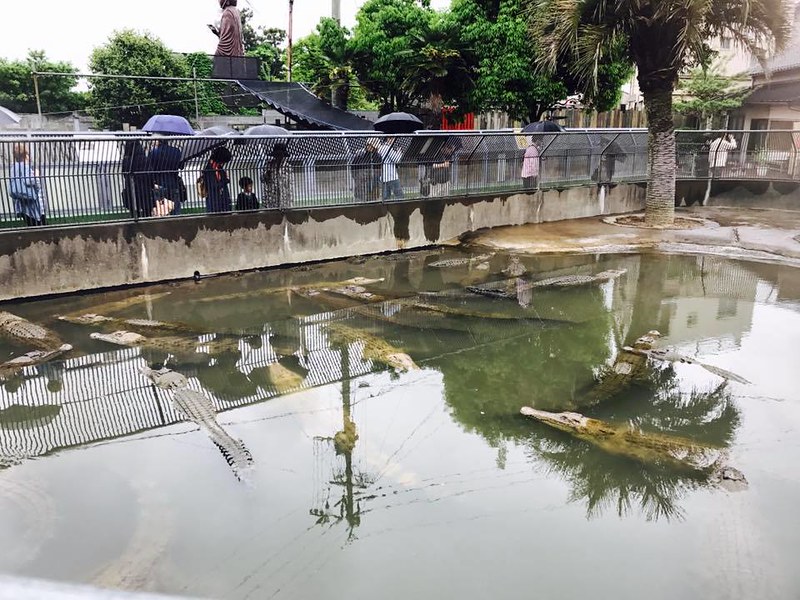
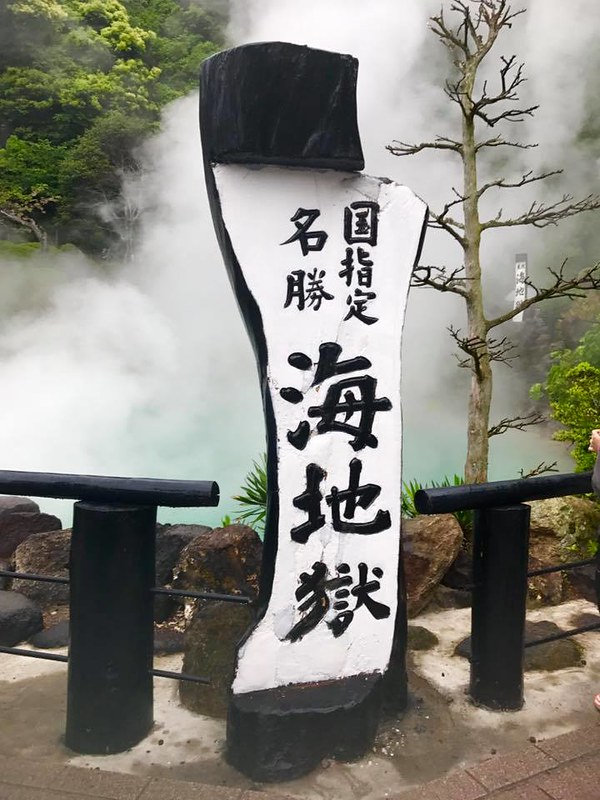
The 7 Jigoku Onsen are very mysterious and it’s no wonder why people travel from all over Japan just to see them. The most prominent one is the red hell onsen because seeing red-colored water is extremely rare and it looks like a volcano. The mud bubble hell is also interesting to see because it swirls and looks like a gray whirlpool. There are various ones that are blue like the ocean but don’t be fooled—their temperature can rise up to over 100°C. One of the onsen even has crocodiles in it who look extremely content and relaxed. If I was a crocodile in Japan, I would definitely choose Oita as my home.

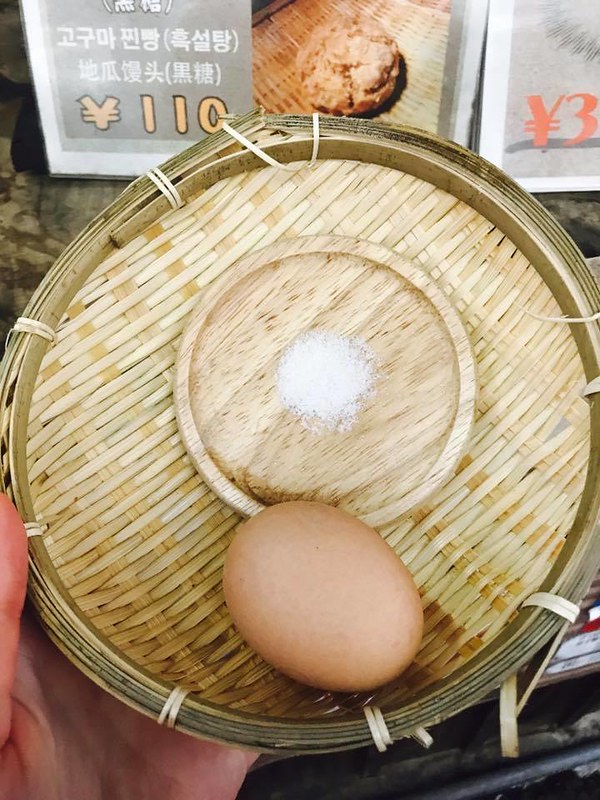
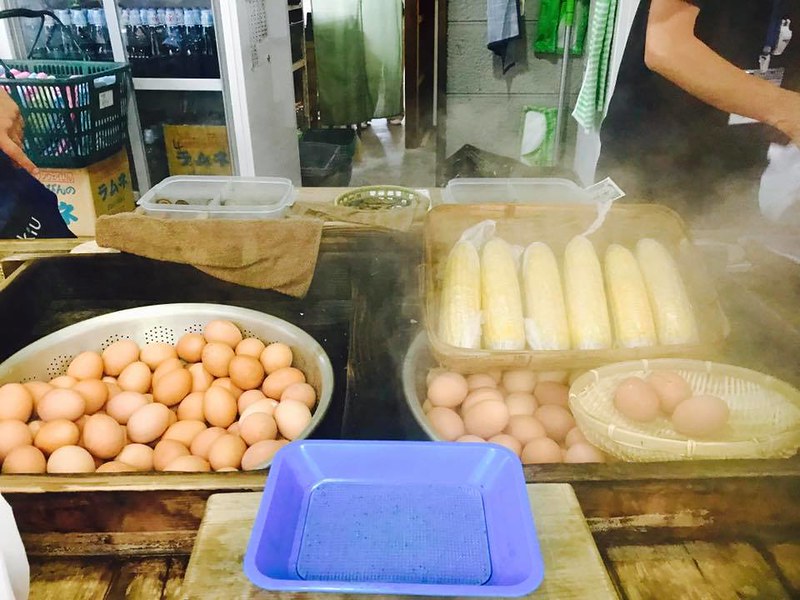
Touring the hells takes about 45 mins – 1 hour but can be done faster if you don’t read through all of the information. If you have time you should definitely try some of the onsen-steamed vegetables and Oita’s famous pudding! I definitely prefer steamed to boiled or fried because it’s healthier. There are also local hot springs that are safe to bathe in around here that you can easily reach.

Address: 559-1 Kannawa, Beppu, Oita 874-0000 (easily accessible by local bus)
Admission Fee: 400 per hell or 2000 yen for all hells*

*Please note there is usually a combined bus ticket and entrance deal. Check with the station or travel agency close to you in Beppu or Oita City.

Monkeys at Mt. Tsurumi

Another huge appeal of Oita are the monkeys at the park at Mt. Tsurumi called Takasakiyama Natural Zoological Garden. Compared to other monkey parks in Japan, the monkeys here are quite active and have a lot of space to run around in the forest that surrounds them. You can get quite close to them but as long as you avert your eyes they won’t attack. Mt. Tsurumi also has the largest ropeway in Kyushu and the view from the top is quite impressive. It feels very nostalgic writing about my early Kyushu adventures and I already want to book another trip here!

Address: 3098-1 Kanzaki, Oita, 870-0802 (easy to reach by local bus)
Admission Fee: 520 yen

Sand Baths at Shoningahama Beach

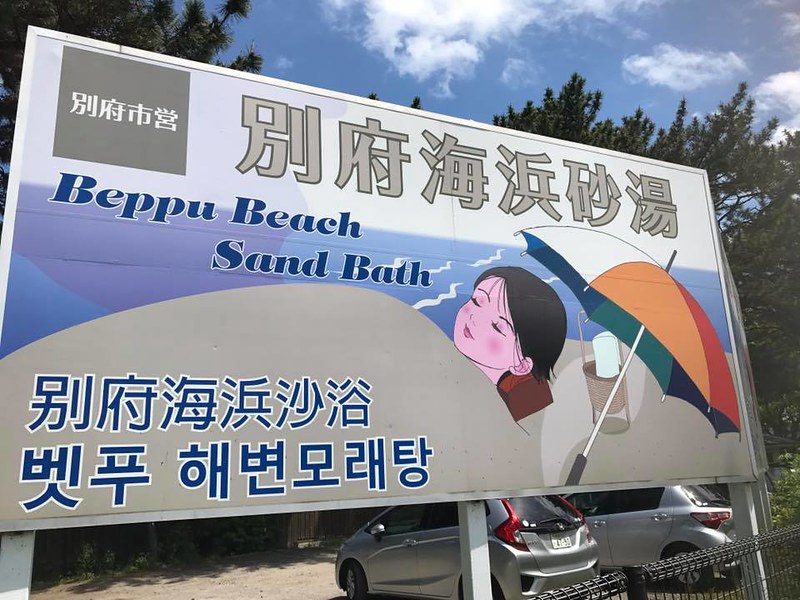
One of the most popular things to do in Oita is take a sand bath on the beach. The process is quite simple: you are given a rental yukata to wear while lying down and are gently buried in steaming sand. The appeal of this is the hot sand is said to improve your blood circulation and have healing properties. Also due to the weight and steam of the sand, the effectivity is greater than bathing in a natural hot spring. When you get up you will feel relaxed and extremely refreshed! I have only tried this once but it felt like being in the sauna for a long duration without all of the sweat. This will definitely relieve any muscle fatigue and make you feel brand new.

Shoningahama Beach is easily accessible from Beppudaigaku Station. The beach itself isn’t that impressive but the sandbaths sure are! You can also take a sand bath in other areas of Japan such as Ibusuki Island and Kagoshima. I would like to try it again in the future!

Address: Shoningahama Beppu
Cost: 1500 yen (Please note there is no online reservation form and it is first come first serve)

Other Points of Interest

I’ve named off the three major points of interest, but here are some other places you may want to check out if you have time:

  • African Safari
  • Umitamago Aquarium
  • Oita Art Museum
  • A trip to Kumamoto or Fukuoka
  • Beppu Onsen

I went to the African Safari which takes you on an exciting adventure in a jungle bus where you can feed exotic animals. Unfortunately I do not have that many pictures because my hands were full, but it was quite the thrill at the time. The main point of Oita is enjoying the hot springs and the beach!

One of my goals this summer is to revisit Kumamoto and take pictures of Mt. Aso. This was something that I tried to do in 2017 but unfortunately not all parts of the volcano were accessible. I look forward to challenging it again in the future!

Exploring Narai in Kiso Valley

A rainy yet beautiful day in the mountain town of Narai.

A place that’s been on my bucket list for quite a while is Kamikochi, a beautiful hiking area nestled in the valleys of Nagano, and this year I finally had the chance to go! I was actually planning to go last year, but the main camping area was attacked by a wild bear that tore a tent to shreds and stole a camper’s curry, so unfortunately my trip was cancelled. Fortunately this year they had the bears under control and no other attacks have been reported. However, this year we encountered wild monkeys during our hike but they were extremely friendly!

I will be covering my trip to Kamikochi in two separate posts since this trip lasted two full days. On the first day I rode from Tokyo to Enzan Station to meet my friends in Yamanashi which was on the way. From there we drove to Narai in Nagano by car which was roughly two hours away. This was an extremely smart move since the weather was rainy the first day but sunny for our hiking trip on the second day.

Narai is reachable by both car and the Chuo Line making it cheaper than taking the shinkansen. If you have the chance you should definitely check this town out because it has a lot of history and delicious food!

Getting to Know Narai

After parking or getting off at the station, all of the main strip of Narai can be explored by foot. The very first thing that I noticed was the Narai Kiso Bridge that will take you over to the shops and restaurants. In the Meiji Period, Narai was a famous post town and you can see why by how easy it is to get around here. The town is extremely condensed and features a lot of antique wooden buildings and cafes that you can explore. There are small art museums, soba and teishoku restaurants, as well as a stone path that will take you to Joryuji, a temple with a painting of a dragon inside. This was actually my favorite part of the town because I wasn’t expecting to see such a beautiful mural! Narai can be explored in about 1 hour and is the perfect place to stretch your legs before making it to other destinations in Nagano.

Shirahone Onsen

Before heading to our ryokan, we decided to stop by Shirahone Onsen which is a natural sulfur hot spring located in the mountains. It’s about a 45 minute drive from Narai but was completely worth the trip! For the entire day the weather was chilly and raining, but a soak in the onsen definitely put us back in high spirits. This is probably the best onsen I’ve been to in Nagano besides the fancy resort I stayed at in January. I just appreciated how simple but highly effective it was. Natural hot springs definitely have a healing property!

Address: Azumi, Matsumoto, Nagano 390-1515
Admission Fee: 520 yen (the baths are gender segregated)

Narai Food

Since Narai is located near the river, ayu (sweet fish) are one of the most popular meals here! When I first moved to Japan, I honestly didn’t know what to think of freshwater fish but recently they have really grown on me. For lunch I had a teishoku set which included ayu, miso, tofu, and rice in the town we visited earlier. The meal was simple but I couldn’t believe how amazing it was! For dinner we drove to a restaurant called Mominoki where I had vegetables with miso, another grilled ayu, and some delicious caramel and azuki ice cream topped with jelly cubes. I mentioned this in my last Nagano article, but the people here have the longest life span in Japan and you can easily see why. This prefecture is filled with onsen and beautiful nature and has wonderful food too! There are a lot of options for both meat lovers and vegetarians too.

Lodge Fumoto

After a full day of hiking, food, and hot springs, we decided to spend the night at Lodge Fumoto. Unbeknownst to us, we were the only 3 people staying that weekend so it was the ultimate party! The reason for that is a lot of buses to Kamikochi have reduced service due to the pandemic and you really need a car to get around. The hotel, or “lodge” is really no frills and has limited amenities but it has amazing hot springs. There is a shared indoor bath and a private outdoor one you can freely reserve. You can tell by the sulfur debris that sticks to the wood that these hot springs are legit and the surrounding outdoor scenery is absolutely breathtaking. I had an amazing stay here and am happy that we didn’t go camping so we could avoid the rain. The rooms here are around 6000 yen which is average for most ryokan too.

Thank you for reading the first part of my summer Nagano adventure! In my next article I will be writing about how we hiked through the entirety of Kamikochi and met the monkeys. Now is a really good time to travel here because there are far less people than usual!

Exploring a Kyoto with no People

A sunny day in the deserted Arashiyama Bamboo Forest.

Due to the nature of my job, I sometimes spontaneously find myself with consecutive days off so I try to take advantage of it by going on as many trips as possible. Since I had some web design clients to see in Nagoya, I decided to stop there first then make my way to Kyoto on a Tuesday morning so I could experience it with minimal tourism—the complete opposite of my cherry blossom trip in March! Though I thoroughly enjoyed my last trip to Kyoto because I was able to see the full moon with fully blooming sakura, this time I was able to see Arashiyama’s iconic bamboo forest more deserted than I had ever seen it before as well as hike to Daihikaku. If you want to travel throughout Kyoto without the interruption of tourists, then now is definitely the time! During my two day trip I spent a lot of time reflecting on myself and my recent projects which was very beneficial to developing my future goals for this year. I also managed to go to some nice cafes I didn’t have the chance to visit last time and snag a Miffy omelette sandwich from the Sakura Kitchen! Even though I’ve been to Arashiyama over 5 times, this view still amazes me:

Arashiyama Bamboo Forest Path

The path to Arashiyama’s bamboo forest is usually always bustling with tourists, food vendors, and rickshaw drivers desperately trying to get your business, but last Tuesday it was practically vacant. I passed by a few old Japanese people on their way to the onsen, but the normally crowded paths were empty and I was able to capture some amazing photos with the sun peaking out of the bamboo stalks. The dream Japan aesthetic.

Witnessing emptiness of Arashiyama made me feel both lucky and melancholy. Seeing it in this state is a rare opportunity indeed, but it also felt like a ghost town. I hurt for all of the small businesses struck by the effects of the pandemic. Fortunately my favorite clubs, bars, and venues have all been saved by online fundraisers but I worry for the lesser known places that heavily rely on tourism. I hope my small contribution of buying food from local restaurants and writing about them can help in some way!

Another place I love walking through is the Kimono Forest near Saga Arashiyama Station! I remember the first time I saw it I was completely amazed. The colorful patterns and artistic water fountain really stand out and are extremely inspiring to me. Sadly I didn’t have time to rent a kimono this time, but I hope to rent one and do a photo shoot during my next trip here!

Cafe Style Resort Saganoyu: The Onsen Cafe

One of my coworkers posted about a lovely cafe in Arashiyama that had the same interior decor that you would find at a local hot spring, so I just had to go and see it for myself! Saganoyu is not only famous for its one of a kind onsen decor, but also for its pasta dishes and pancakes. I decided to order the trademark pancakes with the onsen insignia because that was the most aesthetic dish on the menu. The pancakes were served up American style with less fluffiness and more substance which I liked. Sometimes the souffle-styled pancakes just have too much air in them but these were extremely filling. While I waited for my order I decided to walk around the cafe and admire all of the detail that was put into it. I loved the mirrors and little shower heads attached to the wall as well as the vintage shoe locker! They also had some really good chocolates that look like gold pieces of soap. Definitely come here if you are looking for a fun and creative atmosphere!

Address: 4-3 Sagatenryuji Imahoricho, Ukyo Ward, Kyoto, 616-8366

Hiking to Daihikaku

During my first ever trip to Arashiyama nearly 5 years ago, I hiked to the spot with cherry blossoms and noticed a mysterious hut with bright awnings standing out across the river. At first I thought it was perhaps someone’s house as people own property in the mountains here, but during my last trip I Googled it and found out it was a temple called Daihikaku. Last week I finally made the 20 minute trek up the mountain to see it in person for myself and I can happily say that the view was worth it. From the windows you can see the Oi River and the beautiful mountains that surround Kyoto. Being up close to the colorful flags flapping in the wind felt surreal because I had previously only seen them from the opposite side. The temple also is unmanned giving it a feeling of solitude. I can proudly say I have hiked up both sides of Arashiyama now!

What makes this temple even more meme-worthy is that it has its own official manga you can read on your way up. The page I zoomed into almost completely sums up my initial experience here.

The expression of the girl who turns around and notices the mysterious temple peaking out of the forest was exactly the same as mine when I first traveled to Arashiyama many years ago. Even now sometimes it’s sometimes easy to forget that this temple exists, but when I remember it I always feel happy. ☺️

If you have the time and energy, consider seeing Daihikaku from both sides of the river because the views are unique and change based on the season. The fall is usually the best time of year to go because you can see the bright red leaves contrast against the river.

Address: 62 Arashiyama Nakaoshitacho, Nishikyo Ward, Kyoto, 616-0004
Entrance Fee: 400 yen

Accommodation

Every time I go to Kyoto, I like to try a new city hotel by the Kawaramachi River so I can drink by it at night and gaze at the stars. This time I stayed at Hotel Resol Trinity, which is an upgrade of the hotel that I stayed at on my birthday because it has its own public onsen and nicer rooms. Since I came randomly on a weekday I only paid 4300 yen for my “Hollywood” style room. I slept here for almost 10 hours because I was exhausted from hiking and work so I would give it a 10/10 for its comfort. You can definitely find cheaper options but this is first class for the discounted price.

Address: 604-0943 Kyoto, Nakagyo Ward, Kamihakusancho, 249