Flying to the Fisherman’s Town of Kushiro for Birdwatching and Hiking Expeditions (Part 1)

Rare appearance of Whooper Swans at Sunayu in Kushiro, Hokkaido.

Earlier this week I flew to the small fishing village of Kushiro, Hokkaido, to live out my birdwatching dreams and see rare species that are exclusive to Japan and only gather during the early winter months. I have been to Hokkaido 4 times now (three times during the winter and once during the summer), and was happy to return since my last trip to the Lavender Fields of Furano. Kushiro is known for its delicious seafood, beautiful birds, and volcanic mountains with scenic lakes. There are various hot spring towns that surround the bases of the mountains attracting a number of tourists from outside of town each year. You can also partake in winter sports at Lake Akan which has rental gear during this season.

Overall I would describe Kushiro as a secluded getaway with many areas to hike through and enjoy year round. It was a much needed vacation from my crazy city life, and after completing this expedition I feel much more at ease and can think clearly now.

I would recommend Kushiro to those who have already seen the major cities of Hokkaido (such as Sapporo, Hakodate, and Otaru) and are looking for something different. This is definitely more of a remote area, so be prepared to travel a lot! Fortunately I have prepared a cost-efficient itinerary on how to best see Kushiro in two days without a car.

Getting to Kushiro from Tokyo

The best way to get to Kushiro is to fly directly to Kushiro Airport. The average cost of roundtrip tickets from Haneda Airport to Kushiro Airport is around 30,000 yen and takes about 1.5 hours. You can also take the train from Sapporo Station if you’re already in Hokkaido, but it takes over 4 hours and costs around 20,000 yen. Flying will save you a lot of time and stress, so I recommend looking for deals through Peach Aviation.

This time I decided to go with AIRDO Airlines because their flight schedule best fit my work schedule. My flight was very smooth, and my flight attendant noticed I had my Switch and Hisuin Growlithe plush with me so she gave me a free Pokemon postcard! This was truly exceptional service. I also enjoyed flying into the sunset on this trip and seeing all of the vibrant colors:

As you can see from the map, Hokkaido is close to Sakhalin, which is the largest island of Russia. At one time you could travel to Sakhalin by a five-hour ferry from Wakkanai, which is a port town at the tip of Hokkaido. For more information, see this writeup from Time Out Tokyo.

In 2018, there were discussions about the construction of a bridge from Hokkaido to Sakhalin that would connect Japan to Russia. I remember hearing about this in the news and thinking it was an interesting idea at the time, but the construction never happened (maybe for the better). With the way the world news is now, it’s truly shocking to believe that it was ever even a concept. My heart goes out to all of my friends in Europe and I hope for the safety of Ukraine.

Exploring Kushiro’s Main Street: Kita Odori

I arrived to Kushiro airport around 17:00, and took the Airport Limousine bus to the center of the city for 950 yen. The ride took around an hour and I couldn’t see much outside of my window because it was already pitch black. There was snow on the ground, but the temperature of Kushiro in March wasn’t really any different of how Michigan, my home town, is during this time of year. I would definitely recommend bringing warm clothes, a hat, and gloves, though! During summers in Kushiro, the snow completely melts and the temperature is more mild. However, I wanted to come in the winter specifically so I could see the rare types of birds that flock here.

After my bus arrived at Kushiro Station, the first thing I decided to do was eat some delicious seafood donburi which Hokkaido is famous for. I looked up a restaurant called 釧ちゃん食堂 釧路本店 that had phenomenal reviews so I took a 10 minute cab ride there and prepared to chow down. Trust me, I was not disappointed because I bought this huge bowl of fresh fish for only 2200 yen. The crab, sea urchin, and squid tasted so fresh and there were huge slabs of other fish included in this assortment too:

Address: 〒088-0623 Hokkaido, Kushiro District, Kushiro, Kowa, 4−11 2F

Another place where you can get delicious seafood is Kushiro Fisherman’s Wharf MOO which is right near the station, but it closes at 17:00 so be sure to get there early!

After filling my stomach and feeling completely satisfied, I decided to go to hot spring on top of a hotel called Paco Kushiro. This was within walking distance of my accommodation (see further below) and only cost 1000 yen to enter. It had a sauna, multiple spa baths, and an open air bath on the 12th floor that was perhaps the steamiest hot spring I had ever entered due to the cold temperature. I couldn’t take any pictures because it was public, but it greatly relieved my fatigue so I can’t recommend it enough!

When I awoke the next morning, I decided to go on a 4 mile run to get more acquainted with Kita Odori and the surrounding area. I first ran to Itsukushima Shrine, which was about a mile from my hotel. This is one of the biggest shrines in the area and is definitely worth checking out if you’re interested in them. I also passed by Yonemachi Park that had a lighthouse as a famous landmark. On my way back I stumbled upon Grace Church near the station. This is a tourist destination that also serves as a wedding hall, but I have seen many churches in the US so I wasn’t particularly interested in it. There was also a police station that had signs in Russian. The further north you go in Hokkaido, the more of this you will see!

After finishing my run, I decided to take a tour through the White Pirika bus company to see the major sights of Kushiro. I will be detailing and reviewing my experience in my next article!

Accommodation

This time I chose to stay in a brand new apartment complex called Kamuy Rera that is close to Kushiro Station. The average cost of single rooms is 4500 per night, but this is one of the nicest places I’ve ever stayed at and I was the only guest there! It was great having an entire lounge to myself, plus all of the rooms were equipped with powerful heaters. In the past, sometimes I’ve made mistakes of staying in guest houses that aren’t insulated very well and have had trouble sleeping. However, I slept like a baby here and was ready for a full day of hiking the next morning. I would recommend staying here because it is centrally located and very quiet.

This concludes my introductory article of “Cool” Kushiro. In my next article, I will be writing in-depth about the unique species of birds in Kushiro and where to find them, plus my recommended hiking areas. Please look forward to my future adventures, because I have a lot planned this year!

Exploring Sadoshima: The Island of Gold Mines, Washtubs, and the Japanese Crested Ibis

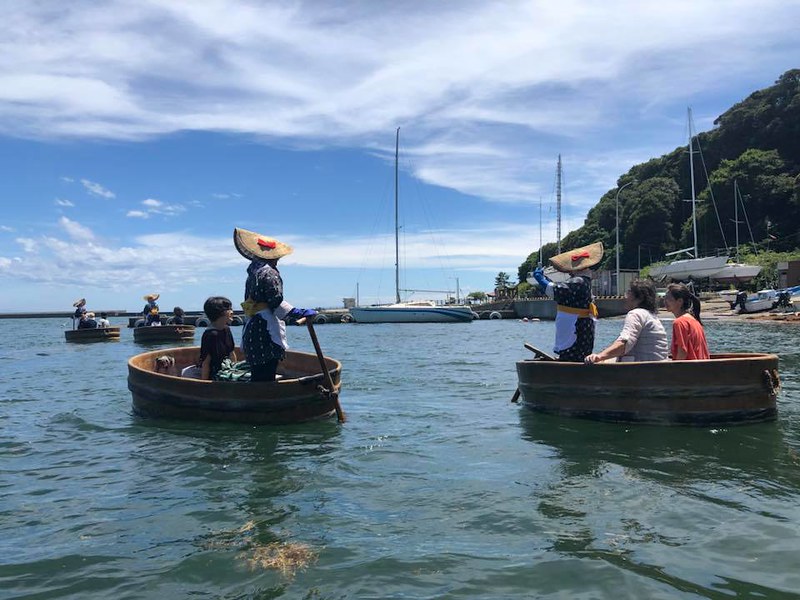
Remember the washtub scene from Tales of Symphonia? On Sadoshima you can live the dream!

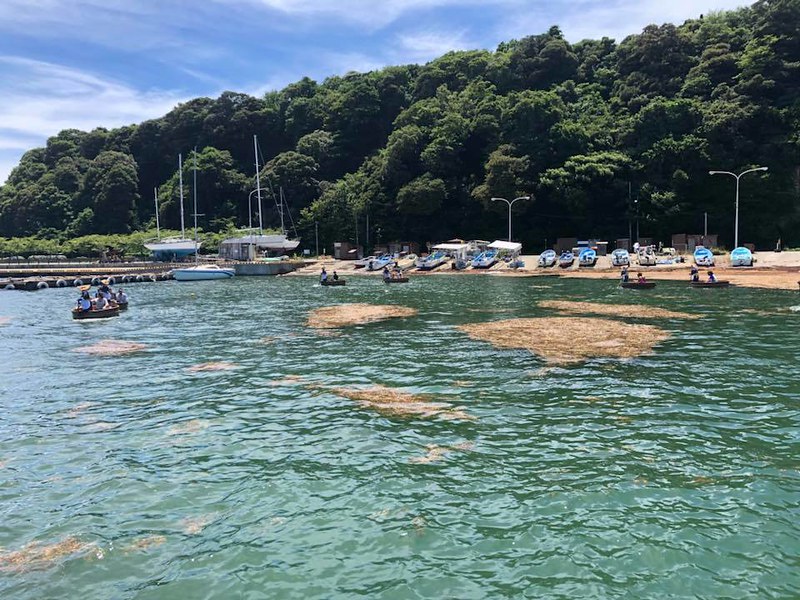
After seeing Skrillex close the first night of Fuji Rock in 2018, I decided to spend the next day sailing to Niigata’s obscure island with dark past: Sadoshima. Through a large portion of history this island was used as exile for heinous criminals but also for free thinkers who had critical opinions of the emperors at the time. Many people were contained in detention centers, but after the discovery of the gold mines on the islands they able-bodied were used as forced laborers. People from the mainland were also selected to help mine the gold. Nowadays the island is filled with luscious nature and the mines and prisons have been turned into museums. There are a number of activities that you can do on Sadoshima including swimming and taking a boat tour, but my main reason for coming is so I could ride in the washtubs (also known as hangiri or tarai bune).

Getting to Sadoshima

I purchased a ferry tickets from Sado Kisen for 2380 yen in advance and rode the car ferry. There are multiple boarding points, but I boarded at Bandaijima Ferry Terminal because it is closest to the shinkansen station. I would definitely recommend booking in advance so you can better plan your trip because only certain time slots are available.

The boat ride to Sadoshima from Niigata takes one hour and is a pretty smooth trip. I would recommend doing a day trip unless you plan on swimming a lot because most of the island can be seen in a day. There are various Sado Bus Tours you can reserve from the official website that take you to the main points of the island. You can also try renting a car or take a taxi, but the bus tours have the best value. I took the half-day course that included the gold mines, wash tubs, and Toki Forest Park for 4900 yen. I can happily say that my experience was worth the time and money because I got to witness a lot of rare sights!

Boarding the Ship

I boarded the ship at 6am and was surprised to find out that it was ginormous with a total of 6 floors. I booked second class seats because they were cheaper but the first class tickets come with small beds you can nap in. The ship even had anime mascots and cosplay that you could wear and take pictures in! Not to mention you could buy a lot of food and alcohol from the vending machines and staffed stalls. The view of the ocean from the top was amazing too and I still remember the gentle summer breeze. After backpacking in Asia for 3 years I was really getting used to the no frills ferries, but this was maybe the most luxurious boat I have ever ridden in my life. Even 3 years later while writing this I still remember how amazing it was!

Riding the Washtubs from Tales of Symphonia

As a child I adored Tales of Symphonia, and specifically remember there being a washtub scene in the game. In this scene the characters heroically board washtubs at the pier and sail to their next destination, some characters enduring the ride better than others making it comedic. Little did I know that I would get to experience the same thing here on Sadoshima! Fortunately the washtubs here are extremely pleasant to ride and you have your own captain to steer for you. A true luxury that is unique to this island.

In the past these boats were extremely popular for fishing due to their durability and low cost, but now there are much more powerful tools available so only remote villages are keeping this tradition alive. In Ito, Shizuoka, the Matsukawa Washtub Races are sometimes held, but these washtubs are leaner and meant for sports. Sadoshima is the best place to experience them and fortunately you can reserve them on the same day you arrive to the island. The ride is only for around 15 minutes but you can choose to ride multiple times. I had a blast reliving a scene from one of my favorite games!

Here is a video I took on my old camera. Sadly this was before my GoPro days but I remember how fun this was:

Kinzan Gold Mine

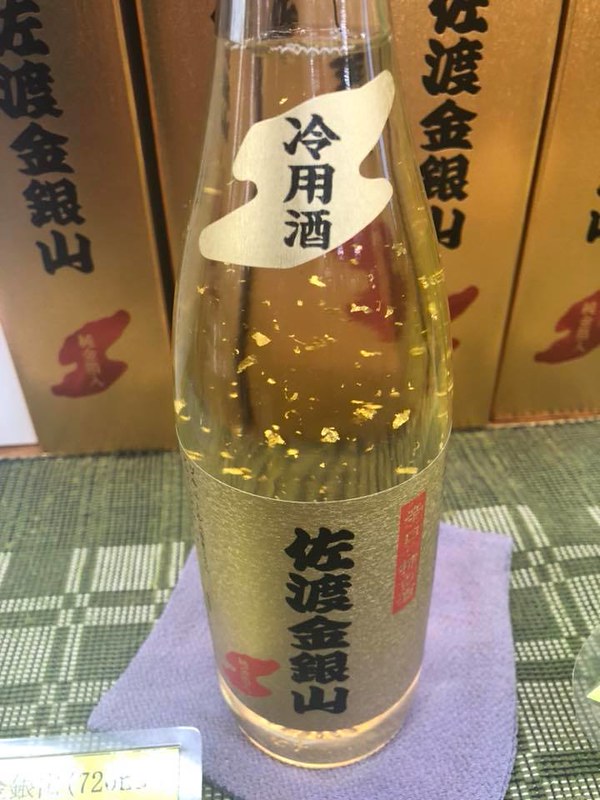
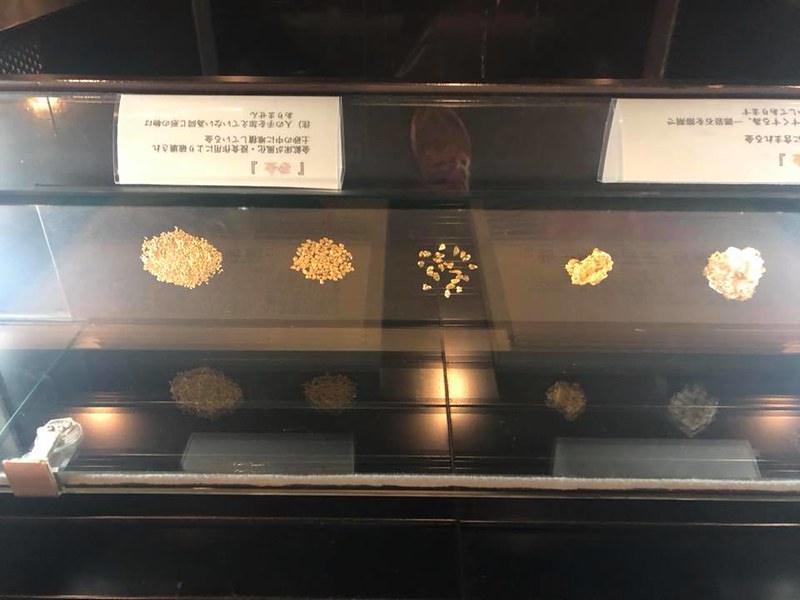
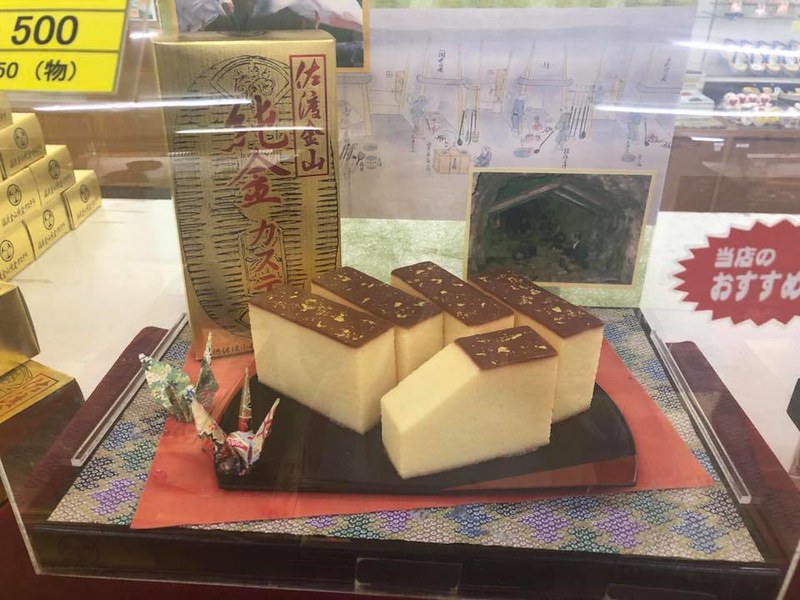
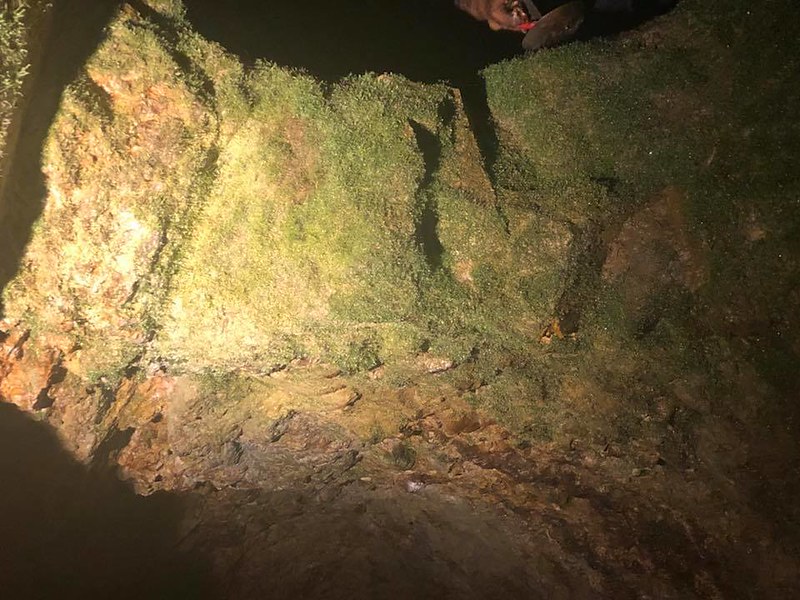
According to Japan Guide, Sadoshima’s Kinzan Gold Mine was the most active gold mine in Japan that produced over 400kg of gold and also silver and other metals too. It has two main paths that you can walk down and read the history while you explore the inner tunnels. One path has tiny robotic workers that reenact some of the activities in the mine and another has restored tunnels from the Edo Period. There is a gift shop that sells all sorts of crazy gold souvenirs including gold sake and sponge cakes with specks of gold in the frosting. It looks kind of tacky now but at the time I really enjoyed these kinds of places! I still have a gold necklace that I occasionally wear out that I bought from Sadoshima. I’d say the gift shops here are pretty top notch and it is always fun to look around~

Toki Forest Park

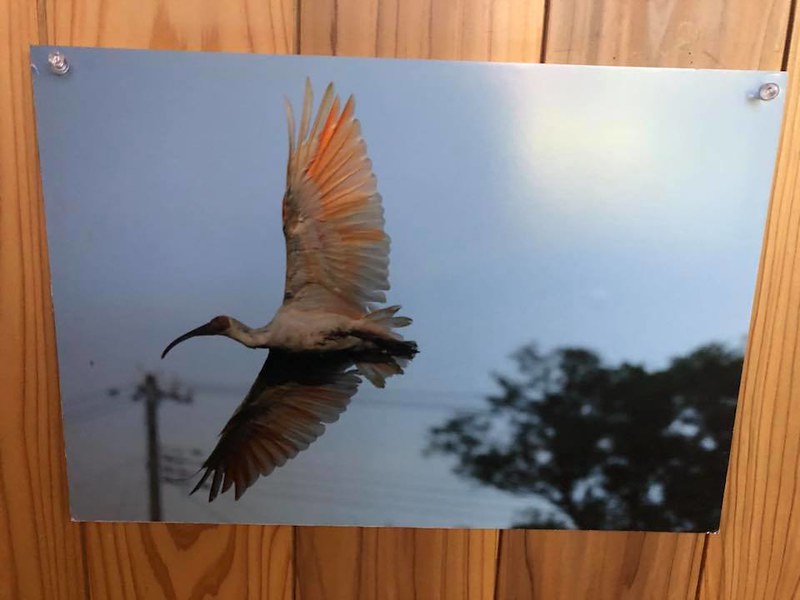
The Toki, or Japanese Crested Ibis, is an endangered species that is kept under special watch at Sadoshima. At Toki Forest Park you can learn all about them and observe them from a safe distance. The park is very beautiful and contains various facilities. There is an outdoor area where you can take a stroll through the garden and may have the chance to meet the costumed Toki mascot. There is an indoor area where you can see different pictures of Toki and learn all about their characteristics. I personally loved the distinct red color around their eyes. Sadly the Toki are on the brink of extinction due to habitat loss and starvation during the winter, but the preservation center here is aiming to take care of them and eventually release them into the wild. There were 6 birds here when I visited in 2018 and I am hoping there are more now. I bought the Toki change purse as a souvenir and as a reminder to not forget them.

Overall my experience to Sadoshima was very vivid and I definitely recommend coming here during the summer in Niigata. One day on the island was enough for me to do everything that I wanted, but if I come with a friend or a group of people I may consider staying longer. I hope to visit Niigata next year for the sake festival!

Ine: A Beautiful Fishing Village in Northern Kyoto

img_5501
A native Ine bird freeloads on my fishing boat.

When people think of Kyoto, they usually think of the historic temples, people clad in colorful kimonos, and the Arashiyama bamboo forest.  All of these are wonderful aspects of visiting the city, but there is actually a lot more places explore!  In the far north lies a beautiful fishing village called Ine which welcomes visitors.  Ine is extremely important to the history of Kyoto because it is where rice-growing was introduced from China, and it also shows how people traditionally lived by the sea.  This culture has been preserved since its establishment and is truly magnificent to see.

There are a number of boathouses called funaya that are available for visitors to stay in, but they require reservation at least 2 months in advance.  The advantage to staying in one is that you will have a meal plan and can relax while seeing and an amazing view of the ocean.  You can also rent fishing equipment quite easily.  I wanted to watch the weather to ensure it was a sunny day when I arrived, so I opted to just take a day trip here.

I’ve been to Kyoto numerous times, but this is the first time that I’ve ever gone this far north!  From Kyoto Station, you can take the JR Line to Miyazu, then reach Ine by bus in approximately 3 hours.  The trip is very long, but the scenery you see along the way is a great way to pass the time.

The reason I wanted to come to Ine is because it reminds me of Terazzi, a town in one of my favorite PS1 games called Tales of Destiny.  Tales of Destiny is an amazing game because it takes the player through forests, castles, harbors, and even to Utopian societies in outer space.  Namco utilized the Linear Motion Battle System in the game so you really feel compelled by the battles and the areas you travel through are quite memorable.  Though I first played it nearly 10 years ago, I still remember how the towns felt like real places.

Terazzi always stood out to me because it is this beautiful, Venetian-like city but has boat houses almost exactly like those in Ine.  Terazzi and Ine are both have a number of residents living in them, but also feel a bit isolated at times.  In the game, you must navigate through a maze of waterways to find the entrance to the castle, much like how walking around the boathouses is here (although sadly there is no castle).  I can see a clear resemblance of how many port towns in games are inspired by real places like Ine.  It feels surreal when you finally experience them in real life!

Going back to reality, when I arrived at Ine, I decided to take a few pictures by the harbor and walk alongside the ocean.  There are a few houses you can enter and see the boats up-close in.  I went to the tourism office, and they were able to arrange a boat tour for me and a few other people for only 1000 yen.  The boat trip was really fun because you get to learn about the history of Ine, and they also give you bird food so you can feed the local birds!  They really aren’t afraid of people and flew close to the boat.  I was able to capture some amazing photos:

Besides fishing and being on the ocean, you can also walk around and see a few local shrines.  There are restaurants and cafes open during certain times as well where you can try the local cuisine and a lot of seafood.  I stayed here for about 3 hours, and that was more than enough to see everything I wanted.

If you are an adventurous traveler who has already seen most of Kyoto and likes being near the ocean, I would recommend this trip to you!  Please note that this area is quite remote, but easy to navigate on foot.  Just be careful to watch the bus timetable when you get off, and you’ll be absolutely fine.