Braving the Waters of Itoshima, Fukuoka (Itoshima Summer Guide Part 2)

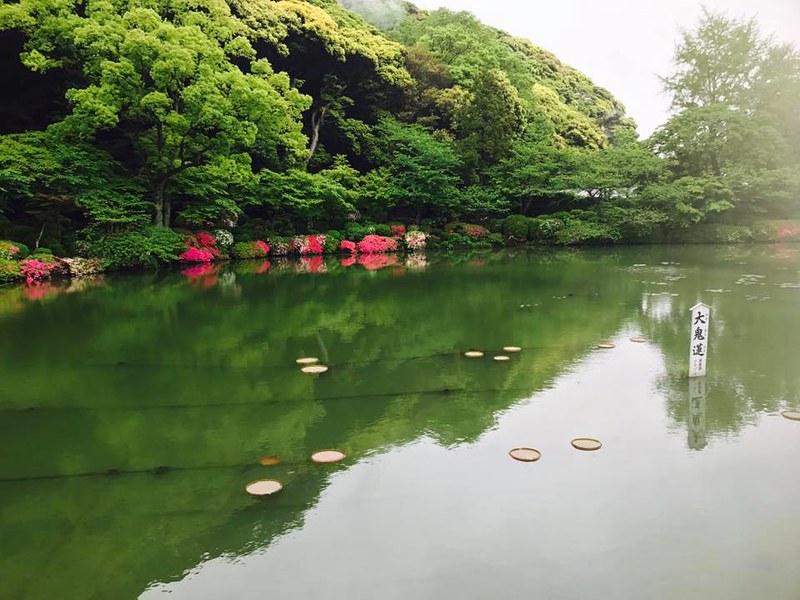
One of the most famous views from Itoshima’s Totoro Forest.

Continuing from Part 1, this is Part 2 of my Itoshima Summer Guide. This part will feature scenic hikes and more recommended cafes and restaurants. The best hikes are Shiraito Waterfall and the Totoro Forest of Itoshima, which I had no idea existed until I was kindly shown by a local. It’s surreal how there are still so many people in Japan who are unfamiliar with Itoshima, because its beauty is truly unmatched. After spending three days here, I would rank it as one of my top destinations in Kyushu. I can see why locals would rather live here than in the city because you can enjoy the beach from anywhere in Itoshima.

Shiraito Waterfall

Shiraito Waterfall is one of the top attractions in Itoshima due to its natural beauty and festive surrounding atmosphere. If you come by car, the waterfall is only a short walk from the parking lot, but you can choose to hike here too. Depending on the season, you can try nagashi somen (the “flowing” soba noodles you can catch with chopsticks) in the Summer, and also see the large maple tree’s leaves here change colors in the Fall. I always appreciate seeing waterfalls in Japan because they have such brilliant colors. The best time to come here is early in the morning when no one else is around.

Address: 460-6 Shiraito, Itoshima, Fukuoka 819-1154
Admission: Free

Totoro Forest

The true name of this place is “Itoshima’s Genkai-Quasi National Park”, but it is referred to “Totoro’s Forest” by locals. Why? According to Japan Travel:

Because this portion of Shima town protrudes out of the main island and the forest’s location at the very end of this protrusion, the sea breeze hits the forest on all sides, constantly forcing the leaves of all trees found in the forest to grow into the dome shape that resembles the forest found in the famous ‘My Neighbor Totoro’ film by Studio Ghibli.

This park is great because it has a lot of beginner to intermediate level hikes that you can conquer in a short amount of time. It also has the best aerial views of Itoshima; you can see all of the way to Fukuoka Tower on a clear day. If you visit, definitely allow 1-2 hours to climb Mt. Tateishi and take the trail down to Keya Beach. Totoro’s Forest can be seen in a short amount of time and is a great place to catch some shade. Just be sure to pay attention to the signs, or better yet, find a local that will guide you!

Address: Shimakeya, Itoshima, Fukuoka 819-1335
Admission: Free

Recommended Cafes and Restaurants

My top cafe pick in Itoshima was Koko’s Cafe, which is a bakery and sweets cafe ran by a Taiwanese woman who has been living in Japan for a long time. She also has a ceramic art studio and sells pottery and glasses in her cafe shop. The menu at Koko’s changes seasonally based on what ingredients are available, but this time we were lucky to try the strawberry crepe (which was the fanciest crepe I have ever eaten in my life) and the savory peach pastry. These sweets were extremely high quality and artfully decorated so they made me quite happy.

Here are some other recommendations that are also top caliber:

For bakeries, I highly recommend Cafe de Poupee because they have delicious tiramisu croissants, soft pretzels, and affogato. Fore seasonal cakes and morning plates, Cafe Lily is one of the best breakfast places we discovered that is usually open early. If you’re going to Fukae Beach, SALUT is also a great place to stop by and eat toast and basque cheesecake. Last but not least, if you are looking for one of the best authentic Italian restaurants in Fukuoka, then please visit Time @ Ito Highland. This restaurant has the famous Napoli star-shaped pizza and other delicacies. I wished that I could try more of the menu items, but by far the margherita pizzas here were the best.

Thank you for reading my Itoshima Guide! If you have any questions, please leave them in the comments. I may write a music review later this week detailing an event I went to in Fukuoka. This trip was very refreshing and I hope to visit more of Kyushu next summer.

Braving the Waters of Itoshima, Fukuoka (Itoshima Summer Guide Part 1)

Climbing over the rocks and to the brilliant white gate of Sakurai Futamigaura Shrine in Itoshima at sunset.

It’s been quite a while since my last update due to my international travels, but I’m happy to be publishing a summer guide to Fukuoka’s secluded beach paradise: Itoshima. Unlike the name implies, Itoshima is not an island and is less than an hour by train from Fukuoka’s Airport. Though it is a popular destination for locals and tourists in Kyushu, there are still many people who don’t know about it. The top things to do in Itoshima are see Sakurai Futamigaura Shrine, go hiking to Shiroito Falls and the Totoro Forest, and eat delicious seafood. If you have a car or are willing to walk around, it is easy to find beaches that are almost uninhibited. I will detail all of my recommended places in this post.

The last time I went to Fukuoka was two years ago to see the Frog Temple in Ogori, and I’m happy to see that the cozy summer vibes of this city haven’t changed. This year I came to Fukuoka to attend tofubeats「NOBODY」Release Party and also visit my friend, who is a local, in Itoshima.

Though Fukuoka is generally a budget-friendly city for travelers, accommodations that aren’t guesthouses in Itoshima can sometimes be expensive, so be sure to book in advance if you are coming here. My friend graciously let me crash at her house and also drove me around to the places mentioned in this post, but please note that there are local buses in Itoshima that you can take if you don’t have wheels. Summer is usually high season for Fukuoka, so visiting before or after Obon holiday in August is recommended.

Itoshima Summer Guide

Here are my must-see places in Itoshima. I recommend spending two days here if you want to enjoy the main beaches and hikes.

Recommended Beaches

If you like Instagram-worthy spots, look no further than Odanohama Beach! Located in front of the restaurant named “Zauo” is a palm tree swing that anyone can freely swing on. This is an ideal spot for taking aesthetic photos with the backdrop of the ocean. There is also a shark head you can climb inside that pays homage to JAWS. Another interesting spot here was a fallen tree that was repurposed into a “bridge” that leads to the ocean. It’s exhilarating to walk the full length of it so you’re positioned just above the ocean’s waves; you can really feel the breeze.

Odanohama Beach was by far the most creative beach in Itoshima mostly frequented by Japanese locals, but please keep in mind there are many more secluded beaches here. If you are looking for somewhere with less people, please check out Fukae Beach. I spend two lovely mornings swimming here without virtually no one else around:

Mornings in Fukae Beach are completely free from tourists.

Though I didn’t visit it, my friend also recommends Fujiyoshi Beach. According to the locals, these two beaches are great for all activities you could think of, like swimming, tanning, fishing, or surfing. Next time I visit Itoshima, I would really like to try paddle boarding. It looks like it’s a great way to make new friends!

Sakurai Futamigaura Shrine

The most scenic spot of Itoshima is without a doubt Sakurai Futamigaura Shrine, which consists of a white gate in the ocean and two rocks conjoined by rope, which are sometimes referred to as the “couples rocks” or “married rocks” by visitors. These rocks are said to represent Izanagi and Izanami and their everlasting bond. This is one of the best places to watch the sunset in Itoshima. You can climb into the ocean and walk under the gate to see it up close. It was so refreshing being in the ocean and watching the happy smiles of all of the visitors here. Though many people who visit Sakurau Futamigaura wish for love, you can truly wish for anything here.

Address: 〒819-1303 Fukuoka, Itoshima, 桜井
Admission: Free

Kaisendon at Itoshima Kaisendo

Located right next to Sakurai Futamigaura Shrine is a delicious kaisendon (seafood and rice bowl) restaurant called Itoshima Kaisendo with quite an extensive menu. Being the seafood lover that I am, I ordered the most expensive bowl on the menu that is topped with gold flakes. I loved the fresh shrimp, salmon, sea urchin, and crab in this bowl but truly every piece of fish was delicious. Though I didn’t try it, you can also order Itoshima’s famous egg topping. Apparently not only the seafood, but also the eggs in Itoshima are out of this world.

Address: 2206-21 Kota, Nishi Ward, Fukuoka, 819-0203

Even though I have been to Fukuoka about four times, the beauty and aura of Itoshima really surprised me. There’s just a sense of inner peace here that you can’t easily feel in the city, After living and traveling in Japan for a while, you’ll really start to appreciate Kyushu beaches even more.

Thank you for reading Part 1 of my Itoshima Summer Guide, Part 2 will be published soon!

Exploring Fukuoka’s Frog Temple: Nyoirinji (Kaeru-dera)

Last week I decided to go on a spontaneous backpacking trip starting in Fukuoka and ending in Shimane Prefecture. The purpose of this trip was to explore 2 prefectures I had never seen before–Yamaguchi and Shimane–and also see some shrines, islands, and monuments in other prefectures that I had previously missed or not known about until earlier this year. Since Japan is gradually easing its entry restrictions for international students and business travel, my goal is to knock out as many destinations on my travel list between now and when tourists are allowed in again. When exactly that will be is currently unknown, but as long as covid cases don’t spike again like they did earlier in January, I think it could be possible later this year!

In this article series, I will be talking about some rare and little-known places in the 5 prefectures I visited in under 4 days. This trip went at an extremely fast pace since I had already been to some of these areas before, but it was extremely rewarding because I learned a lot about southern Tohoku and met up with friends along the way.

For information on how to get to Fukuoka from Tokyo and my recommended sightseeing points, please see my previous Fukuoka article from last year. I decided to start in Fukuoka just because there are a lot of discount flights there from Narita Airport, and it was convenient to take the shinkansen from Hakata Station to travel to other places on my list.

When I landed at Fukuoka Airport around noon, my best friend here came to pick me up in her car and we decided to go to Nyoirinji, aka the frog temple, which might be one of the most elaborate temples in the entire prefecture. Upon entering the grounds of this temple, over 5,000 frogs will welcome you!

First of all, I should note that this temple has influences from not only from Japan but other East Asian countries as well. It reminded me of some of the temples I had seen in Thailand and Vietnam long ago because it had a lot of foreign architecture. What I liked about it most was that it was very hands-on and had an amazing atmosphere being nestled in the countryside. You can crawl through and write messages on the metal frogs near the entrance which was very fun and interactive to me. There is also a giant frog that spits bubbles near the main entrance to the temple. How amazing is that!? If you walk through the gift shop and towards the back window, you will see a large variety of frogs from around the world. I spotted more than one Kermit plus a Beanie Baby from my childhood. I was not expecting to reconnect with my past like this, but I am so happy I did because these frogs brought back a lot of memories!

If you exit and keep walking around towards the back of this building, you can go downstairs to an area with neon lighting and hundreds of tiny Shinto statues. I thought this hidden part was so unique. I also recommend walking through the moss garden and up to the pagoda for a stunning view. This shrine truly has a lot for visitors to discover and that’s what makes it a special destination.

Address: 1728 Yokoguma, Ogori, Fukuoka 838-0105

Please note that you can get here by local train/taxi but traveling by car is the most efficient way.

Admission Fee: Free

Special Frogs & Monuments

While walking around the premises of Nyoirinji, be sure to keep your eyes peeled for special frogs and monuments! We spotted 2 Pikachu, a frog holding a 5 yen coin, Kumamon, and some lowkey frogs with their genitalia hanging out. These are just a few of many crazy but awesome things that you can see here!

Meet Nyoirinji’s Cat

When I was looking at pictures of this temple online, I saw this cat come up a lot and was very happy I had the chance to meet him in the flesh! He reminded me a lot of my own cat because he was very charming and cuddly. He seemed to enjoy all of the people coming to pet him at Nyoirinji while he basked in the sunlight. I’m quite envious of his lifestyle!

Fresh Eats in Fukuoka

While heading back to my accommodation, we decided to stop at some delicious shops on the way. Our first stop was at Kaisen Donburi Hanabi in Ropponmatsu, which is a really cool neighborhood just outside of central Fukuoka with a number of small coffee shops and music cafes. At Hanabi we ate mouthwatering seafood rice bowls that were probably the best I’ve ever had in this prefecture. I ordered shrimp topped with salmon roe and egg and couldn’t believe how huge the shrimp were! My friend and I joked that they must massage the shrimp here like they do the cows in Kobe to produce their famous beef!

For dessert we stopped at a CBD cafe called Green Life and had some really sweet CBD smoothies. CBD became really popular in Japan last year when the government restricted alcohol being sold at bars in efforts to stop covid from spreading. I don’t take it often but when I do, I definitely feel a bit more relaxed. The chocolate banana smoothie I had was blended very smoothly and I appreciate the large amount of chocolate sauce they used in their recipe too.

The next morning I stopped at a food truck called MEETS which sells coffee, bread, and delicious dessert waffles shaped like the moon. I absolutely loved the design of my moon waffle because not only did it have caramel, nuts, and chocolate on it, but also an oatmeal cookie! I thought this idea was so creative. On this trip I noticed a number of new food trucks have started popping up around the city and I’m excited to see what other delicious foods and desserts are sold in the future.

Spot the Cherry Blossoms

On my way to Hakata Station the next morning, I saw cherry blossoms blooming at Tochoji Temple! Unfortunately I didn’t have time to check out all of the major cherry blossom viewing spots, but please see Fukuoka Now’s Guide for more information on them.

In my next article, I will be exploring all the major sights of Yamaguchi Prefecture. Please look forward to it!

Chasing Sunsets on Sakurajima, Kagoshima’s Volcanic Island

View of Sakurajima from the Arimura Lava Observatory.

Right before my expedition to Ogawa Falls in the remote city of Kanoya, I decided to make a brief pitstop at the island of Sakurajima and spend the night at a Japanese ryokan by the ocean. Sakurajima is a volcanic island that has been on my bucket list for quite a while, but I was waiting for the perfect time of year to go which is late summer. While I was here I rented a bike and rode around to various viewpoints, took a bus to the Arimura Lava Observatory, and walked around the magma sand beach on the way back to my hot spring resort. The best part was watching the sunset from my private onsen by the sea. I will never forget the beautiful shades of the pink and orange sky that surround the active volcano. The volcano gently erupts ash every day but is safe to view from the marked viewpoints and observatories. Since Sakurajima doesn’t have much of a nightlife at all, you can really focus on appreciating nature when the sky turns dark.
Getting to Sakurajima

From the Kagoshima Ferry Port that is easily accessible by bus from the airport, Sakurajima is just a simple 15 minute ferry ride away. The ferry runs 24 hours and costs only 200 yen per passenger. Please see the ferry timetable for more information.

There are a number of bus tours you can choose from the Sakurajima Tourism Website, but you can also rent bikes and use a combination of public transport to get the most out of your experience. Here is my recommended itinerary for Sakurajima:

Exploring the West Side of the Island by Bike

As soon as I reached the Sakurajima ferry port, I calculated it would be faster to see the attractions on the west side of the island by bike, so I rented a cheap bike from a rental shop near Tsukiyomi Shrine. I decided I would see the shrine first, then bike to the Yogam Nagisa Footbath area so I could soak my feet in the water and gaze at the sparkling sea. The footbaths are completely free to use and are very relaxing for weary travelers. After snapping a few photos, I rode my bike to the Karasujima Observatory which gave me yet another beautiful view of the ocean. I then rode my bike to the “Portrait of a Shout” monument which is definitely worth seeing. This was my favorite piece of art on the island because it was so random but gladly welcomed. Seeing all these things took around 45 mins by bike which is way easier than walking or waiting for a bus, so I would recommend because it lets you get acquainted with the island.

Biking around the entire island is about 36km and is doable in a day, but since some places on the north side are shut due to the pandemic I would not recommend it unless you are dead-set on seeing all of the island by bike. Please note that most bike rental places want their bikes returned by 5pm too.

Taking a Bus to the Arimura Lava Observatory

After returning my bike, I took a local bus from the ferry port to the Arimura Lava Observatory which was very close to the beach and my ryokan. This was my favorite part of the trip because unlike other observatories, the Arimura one has the most walkways and mini tunnels you can walk through with the best view of the volcano. You can also see the ash from the volcano that looks like black sand around this area. This was the most photogenic spot of the island that I discovered and it was so fun seeing the volcano from multiple heights. If you enjoy hiking and are only here on a day trip, definitely come here first because you’ll enjoy it the most!

If you cross the street from the observatory and walk west toward the hotels, you will be able to see Arimura Beach that has black sand stained from the ash. Fortunately the ash is already dry when it lands on the sand and it is safe to walk on. This was my first time seeing a volcanic beach and I was truly amazed!

Address: 952 Arimuracho, Kagoshima, 891-1545

Staying Overnight at Sakurajima Seaside Hotel

While looking at places on the island, I wanted to stay somewhere close to the ocean with a natural hot spring included. Sakurajima Seaside Hotel fit that description perfectly and was in a great location on Arimura Beach so I booked it without hesitation. This hotel has ryokan style rooms with the option of having meals included. It also has public and private onsen naturally heated by the magma of Sakurajima. The best time to use the hot springs is when the sun starts to set because then it won’t be as hot. When I first got in, the water was extremely warm so it took some getting used to. However, the next day my muscles felt completely relaxed so I decided to go in again before checking out. When you get out of the bath you may notice some orange residue on your skin from the natural ingredients in the water but this is extremely healthy for it!

Taking a Bus or Taxi to Kurokami Buried Shrine Gate

In the morning before catching my ferry back to mainland, I decided to take a taxi to the Kurokami Buried Shrine Gate on the east side of the island. My taxi driver was very talkative and gave me the full history on its destruction that was caused by an eruption in 1914. I have never seen a tori submerged in the earth before, so this was yet another incredibly rare sight that is unique to Sakurajima. You can also come here by local bus—I just decided to use a taxi because I was short on time.

I this area there is also the Kurokami Observation Point, but it was closed due to the pandemic. I wasn’t disappointed because my pictures from the Arimura Lava Observatory turned out very well.

Address: 647 Kurokamicho, Kagoshima, 891-1401
Admission: Free

Trying Sakurajima Food

There are a number of restaurants scattered throughout the island, but I opted to get breakfast at my ryokan which included fresh fish, rice, salad, and miso soup. Food on the island is somewhat limited, but a lot of care went into preparing this breakfast and I enjoyed the variety. At the ferry terminal there is a cafe that sells volcanic ash ice cream cones and I can’t recommend them enough! The “volcanic ash” tastes suspiciously like crushed Oreo, but I will live its taste up to your imagination. I would just try whatever food that strikes you fancy here!

Final Thoughts

I am really glad I solo tripped and stayed overnight on Sakurajima because watching the sunset on this island was absolutely breathtaking! The majority of travelers that I have talked to usually day trip here to save time, but I feel very fortunate I had enough time to experience the volcano at night too. The staff at my ryokan were extremely kind and really took care of me. I also enjoyed having a lot of alone time to myself which is something that I don’t always get in Tokyo. Having a car would have been nice, but I managed to spontaneously figure out the public transport system and rent a bike which I am proud of myself for. Overall this was another 10/10 trip to Kyushu and I cannot wait to come back in the future.
This marks the end of my Kyushu article series, but I will be traveling to Kobe and Awaji this weekend and starting my next article series next week! Please look forward to it and thank you for reading as always!

Exploring the Wonders of the Ghibli Bakery in Fukuoka: Lune Lapin

Would you risk being spirited away for a taste of this bread?

On the last day of my vacation, I decided to stop at a Ghibli-themed bakery on the outskirts of Fukuoka called Lune Lapin before flying back to Tokyo. This was yet another place that was recommend to me through my IG algorithms and it was definitely on point. Since this bakery is away from the central Hakata Canal area, it is a place that not many people may know about but it has the reputation for baking insanely delicious bread. After taking a combination local buses and trains, I arrived here at 10am on a Sunday morning when the character bread was just being taken out of the oven. As I entered the bakery I was greeted by a statue of a Laputian Robot and there also was a life-sized Totoro bus stop inside before the queue. Fortunately I arrived just in time to get a table and there was a lot of selection!

Though it was truly a tough decision on what to order, here is the bread that I chose to eat:

In my opinion, the bread filled with chocolate tasted the best! The Totoro and Jiji pieces had a lot of chocolate in them and almost tasted like freshly baked cookies so I would highly recommend them to everyone. The Catbus and Porco Rosso ones were filled with honey which wouldn’t be my first choice of filling but was also very sweet and addictive. The Calcifer one was filled with red jelly which I am not always a fan of, but it was only a small amount and the quality of bread was very high so I was able to enjoy it. I had probably consumed a lot of calories this morning, but I was going to a rave this night so I wasn’t particularly worried. This choice was 100% worth it.

The fun part about choosing the bread is each piece has a slightly different design so they are all very unique. For example, some pieces of the Totoro and Calcifer bread had their eyes and mouths open while other pieces didn’t. I liked the careful detail that went into preparing each one. Most pieces range from 200-400 yen so you can eat a lot for a small amount of money!

Here are some more photos I took of the interior decor. I was impressed with all the cells of Kiki’s Delivery Service they had hanging on the wall, plus the custom-made Laputa robots. Though this is not an official Ghibli Cafe, with all the merch they had I wouldn’t be surprised if they didn’t have some kind of connection to the studio. Their collection was extremely immense and I am excited to see it grow:

Getting to Lune Lapin

From Fukuoka’s Hakata Station, take the Kagoshima Line to Ongagawa Station. Then you can either take a taxi or ride the local bus from the front of the station to Hakusaoki and walk to the bakery. This journey takes about 1.5 hours and costs 1200-1700 yen. It is a bit far from the city center but is worth the journey in my opinion.

Address: 1 Chome-22-5 Denen, Onga, Onga District, Fukuoka 811-4343

Though the bakery is quite popular, people come and go a lot so no reservation is required. I would only recommend making a reservation if you are coming during a busy holiday or have specific bread that you wish to order. If you come in the morning there is much more selection available too!

Final Thoughts

Thank you for reading my latest article on one of the best bakeries that I’ve ever been to in Japan! In my final article in this series I will be talking about my trip to Sakurajima, a volcanic island in Kagoshima. This weekend I will be going to Kobe and Awaji so I will be starting my next article series next week. It sure feels good to be on the road and writing about my adventures again! I am excited to do a reflection post at the end of the year and look back on all of my progress. Thank you for all of your support!

Hiking to Mt. Aso’s Nakadake Crater

We finally made it, Totoro!

Roughly a year ago, Mt. Aso’s Nakadate Crater became safe enough to re-open for viewing after the earthquake in 2016 that destroyed the ropeway and made it inaccessible for years. I first visited Mt. Aso in 2017 during Golden Week, but unfortunately there was not a lot I could do besides visit the surrounding parks and zoos. However, after my vacation to Amami Island, I decided I would fly to Kyushu and visit Kagoshima, Kumamoto, and Fukuoka before flying back to Tokyo.

Each day at 8:30am the official Aso Crater website updates listing the restricted areas of the crater. On days where it rains and the fog is heavy, or when the volcanic gases reach a certain level of intensity, entry will be restricted. However if the weather cooperates, usually no zones are restricted and you can see one of the world’s largest calderas! At one time there was a lake in the crater, but unfortunately now it has dried up. Scientists predict it may reform in the future, however. If you look at old pictures, the color of the blue water looks similar to an onsen with an extremely high temperature.

Here is some footage that I caught on my GoPro of Mt. Aso’s Nakadate Crater:

Getting to Mt. Aso’s Nakadate Crater

From Kumamoto Station, the trip to Mt. Aso take about 2.5 hours by train and bus and costs around 3000-3500 yen one way. You can also rent a car and drive here because the area before the crater has a parking lot. Getting to the crater is a bit of the gamble because there is a slight chance that the gases could change and make some areas restricted as you’re traveling there, but I like to take calculated risks. I thought the trip was worth it because I got to see an extremely rare and beautiful area of Japan. I rode the Hohi Line to Aso Station and then stopped for vegetable udon on the station. It was a hearty and delicious meal.

From the station there are two buses that will take you up to the crater. On your way up you will pass many fields filled with roaming cows and see how beautifully green the mountain is. The first bus will stop at a gift shop where you can buy some interesting souvenirs. My favorite were the oppai sake cups and the Kumamon ice cream, but the rocks from the crater were pretty neat too. You can choose to walk to the crater from here which takes around 30 mins, or take another bus which is just a short 10-15 minute ride. Seeing the Kumamon-themed bus was definitely a perk of using public transport.

On average, viewing the crater of Mt. Aso takes roughly 30-45 mins depending on how many photos you wish to take. There are 5 different zones that you can walk around and see it the crater emitting volcanic gases from. Entry into Zone A is always prohibited, but entering the other 4 zones (B1-D) will give you some amazing views. The experience was extraordinary and very memorable to me. I am happy that I made it all the way up here this time because I crossed another item off of my Japan bucket list!

Other Activities in Aso

Getting to Mt. Aso’s crater and back takes almost a full day, but there are other activities around the mountain that you can do if you’re interested. I took a bath at Aso Bochu Onsen while I was waiting for my train back to Kumamoto which felt amazing after all the distance I traveled to reach the crater. There is also Aso Cuddly Dominion for those who enjoy seeing bears. I visited during 2017 and unfortunately don’t have many good pictures but I had a fun time. I also passed by a horseback riding farm on my way up to the crater. If I would have had more time I would have definitely stopped by!

Thank you for reading about my expedition to Mt. Aso. The article series is officially halfway done! In my next article I will be talking about some activities that I did in Kagoshima. Please look forward to it!

Exploring Amami Island: The Rich Paradise of Goats & Pristine Beaches

A warm welcome from Kurasaki Beach!

After raving in the mountains of Gunma for three days, I realized the end of summer would soon be upon us so the first week of September would be the ideal time to knock of a few places on my Kyushu bucket list—mainly Amami Island, Sakurajima, and the first crater of Mt. Aso. Since I already had a phenomenal vacation in Okinawa just before Golden week, I was craving one more long beach trip before it became too cold to swim. Fortunately for me, I found a number of discount one-way airline tickets and was able to string them together to create the ultimate bargain vacation throughout Kyushu. A number of my friends and coworkers asked me how I did it so I will try to explain my itinerary as thoroughly as possible. If you fly during certain times through Peach and Skymark airlines from Narita airport, you can find discount flights for almost 1/3 of the price all year round in Japan! It just takes some time analyzing Google Flights but really anyone can create the perfect vacation if they put enough heart and research into it.

The dates I chose to travel were 8/30 – 9/5. My completed itinerary was:

Tokyo (NRT Airport) → Amami → Kagoshima → Sakurajima (via ferry) → Kagoshima → Kanoya (for Ogawa Falls) → Fukuoka → Kumamoto → Mt. Aso → Kumamoto → Fukuoka Airport ↺ Tokyo

Since I don’t have an international driver’s license, I relied completely on buses, local trains, taxis, ferries, and even rented bikes too! I spent a lot of time on the road but I listened to music, played my Switch, and did a lot of GoPro editing on my phone too. This was my first time traveling in quite a long time due to the pandemic and the typhoons that hit Japan during Obon season, but I’m happy to say it was another huge success! I learned a lot about the rural life of Kyushu, swam in onsen and oceans, and made many friends along the way (both human and goat). It’s been a while since I last updated Resurface to Reality so I hope you enjoy reading all about my latest Kyushu adventures in this latest article series.

Getting to Amami Island

I chose Amami Island as my first destination because it is one of the most popular remote islands for water activities in Kagoshima. It is not technically part of Okinawa, but it is extremely close to some of its island chains and the weather is almost exactly the same. Amami is a place you go to getaway from the crowds and doesn’t have nearly as many people as Naha, but it does have a bustling downtown shopping area where you can interact freely with the islanders. I spent most of my time swimming at my resort and biking around beaches, but there are a number of wonderful things you can see here!

The easiest way to get to Amami Island is by plane, and fortunately all of the best resorts and beaches are near the airport too! You can also travel by ferry from Kagoshima and Okinawa, but these trips can take up to 11 hours which you could be using to relax during your Kyushu vacation. I departed from Narita Airport around 10am on a Monday and my ticket was only 7040 yen, which beats the long 9000 yen ferry! The plane ride was only 2.5 hours and I slept for over half of it. When I reached the airport, I could already feel the tropical breeze and the bright rays from the sun as soon as I went outside. A free shuttle bus was waiting for me outside too, and driver smiled at me and said “Let’s gooooo!” in English. The adventure was about to begin!

Accommodation: Caretta Resort Amami

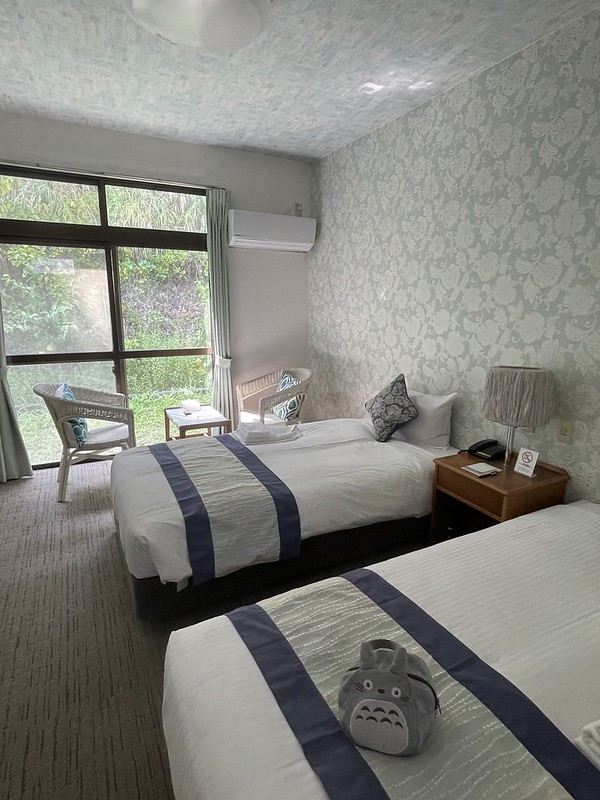
While looking for accommodations in Amami, I wanted something on the beach preferably with a pool or a hot tub for the ultimate relaxation. Fortunately I found my ideal hotel match at Caretta Resort! Not only did this hotel have a gigantic pool, inflatables, and a hot tub, but it also had friendly goats and was located directly on Kurasaki Beach. This was the closest resort I found in Japan that resembled Koh Samui, one of my favorite islands in Thailand due to the proximity of the ocean and the huge pool. The hospitality was truly amazing and the people were so kind. There were a bunch of kids in the pool roleplaying Pokemon which really brought me back to my childhood too. The view from inside of the rooms is really beautiful too. If you book far enough in advance, you can get a room for under 10000 which truly is a steal for a resort of this quality. I splurged a bit but treating myself was truly worth it! This hotel has everything you need, including free bike rentals too.

I recommend staying in Amami for at least 3 days like I did so you can fully enjoy the beaches and also choose to go snorkeling, kayaking, or paragliding which I will get into in my next article!

Eating a Heart-shaped Donut at Heart Rock

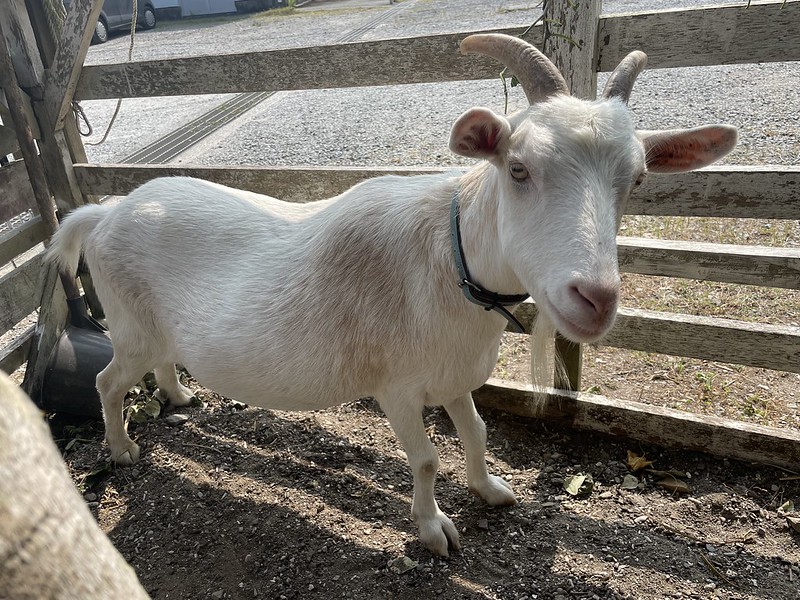
After checking in at my lovely resort and greeting the goat that lives outside of it, I decided to rent a bike from my hotel and bike to the famous Heart Rock that was just 10 mins away. This heart-shaped pool appears most visible during low tides, but you can see it year-round. It is said to have some kind of healing property so it attracts a number of visitors each day.

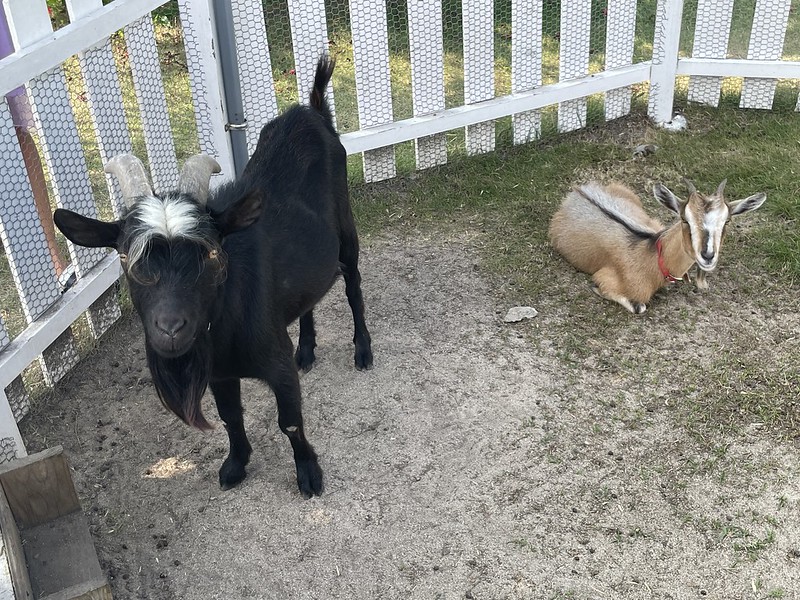
Before going to Heart Rock, you can stop at Healthy Island Cafe and buy heart-shaped donuts that come in different flavors and also try goat milk ice cream! I enjoyed how creamy it was plus meeting all of the goats outside that had helped make it. You can purchase other products like goat soap, cheese, and mascots as well. The goat culture on Amami Island is truly amazing and everyone loves them!

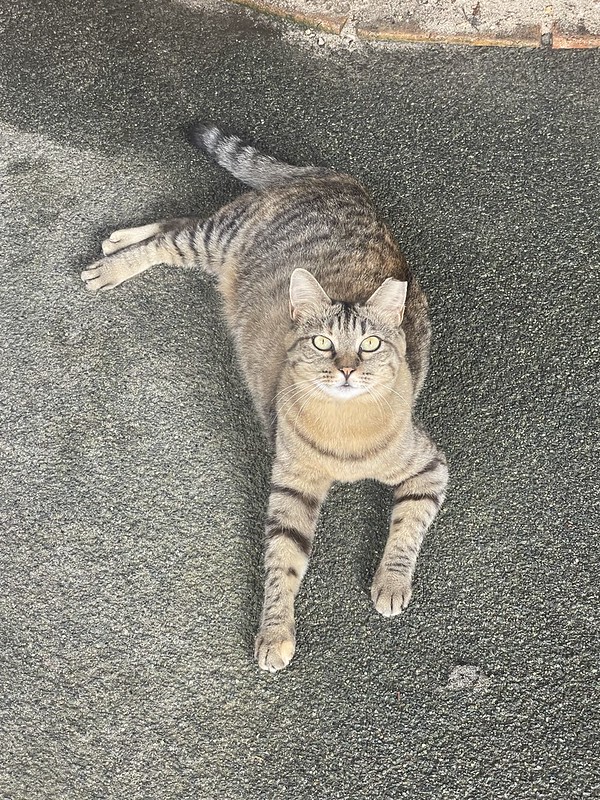
I really enjoyed walking through the mini jungle area on the path to the beach and met a stray cat on my way to the rock. A lot of Amami is completely untouched making it the perfect place for adventurers to explore!

Heart Rock Address: 1346-1 Akaogi, Tatsugo, Oshima District, Kagoshima 894-0411

Trying Amami Foods & Sake

Amami Island is famous not only for its goat milk ice cream, but also its seafood and black sugar shochu! Due to the pandemic, a number of restaurants were closed so I just kept calling random ones near the beach until I found out that one named Restaurant AMAnesia was open until 7pm. I got extremely lucky because this restaurant was near a famous hotel and had a huge selection of seafood!

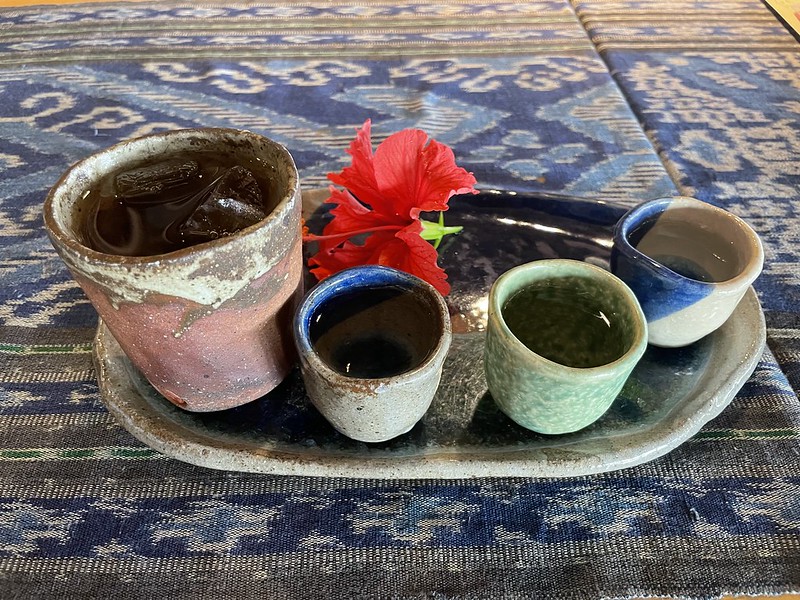
I decided to go with the mini steamed lobster set that came with local island specialties, rice, and vegetables. I also ordered a mini assortment of black sugar shochu. To my surprise it was very strong and not very sweet at all, but I still enjoyed it! After enjoying this delicious meal, I went outside to the beach to enjoy the ocean breeze. Boy this sure beat Tokyo!

AMAnesia Address: 1246-1 Kasaricho Oaza Yoan, Amami, Kagoshima 894-0508

I really enjoyed the privateness of Amami Island this day and reflected on my thoughts. This was an incredible first day with perfect weather and I was very excited for the rest of the week!

In my next article, I will be going into detail about various activities you can do on Amami such as paragliding and kayaking through the mangrove. Please look forward to my next article!

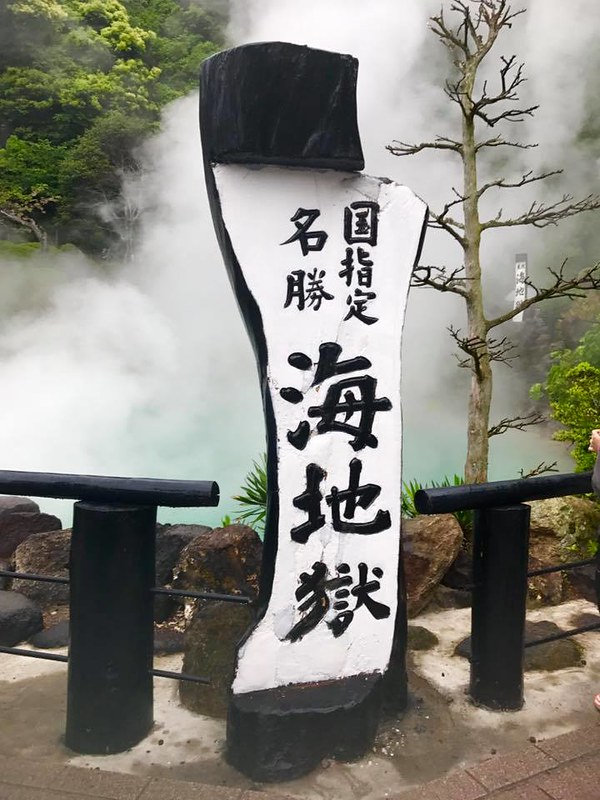
Exploring the 7 Hell Hot Springs of Oita

Hell has never looked so tropical and enticing.

During Golden Week of 2017, I decided to fly from Tokyo to Oita Prefecture in Kyushu to see the mysterious Jigoku Onsen (which literally means Hell Hot Springs) in the town of Beppu. Though these onsen are steaming hot and jumping inside them would result in death, this area has many other ones that are safe to bathe in, so rest assured! There are also beautiful beaches, monkeys, and an animal safari that you can see here too. You can most of Beppu in three days which was the duration I stayed for, then I went to Fukuoka to see my friends. It is very easy to access other areas of Kyushu from Beppu by bus or train so you can combine it with trips to other prefectures.

At the time I traveled here I didn’t have a lot of money, so I booked a discount roundtrip Jetstar for around 15,000 yen and stayed at my favorite net cafe chain, Kaikatsu Club, so I could save money. In the end it paid off because I could see everything I wanted to in Beppu and now I have enough money to stay at nicer hotels around Japan!

Getting to know Beppu

As soon as the plane landed and I took the Airport Limousine to the city, I felt right at home here! Fortunately most of the attractions of Beppu are accessible by bus. Plus I loved seeing the smiling little wooden bucket mascot everywhere. I remember there randomly being a beer fest in the middle of the city since it was during Golden week, but since I was craving sugar I decided to get some strawberry pancakes at a cafe called Namiki no Machi Coffee. Later that night I was feeling social so I checked out an international bar called P.E.I. Pub and ended up coming back here every night. This place can serve nearly any kind of cocktail and I ended up becoming really good friends with the bartender, Richie. I really hope to come back to Oita some day and see what my friends here are up too. There is a huge international community of people in Beppu making it very welcoming and fun.

Exploring the Jigoku Onsen

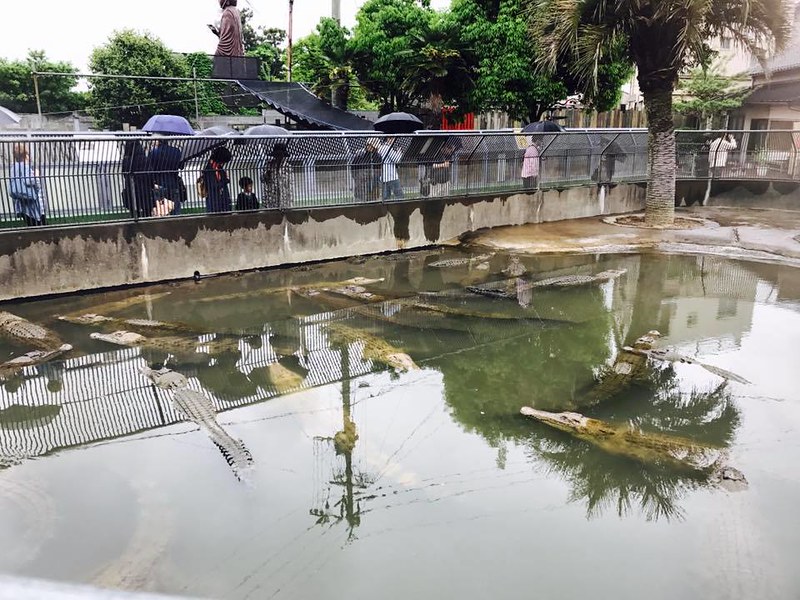
The 7 Jigoku Onsen are very mysterious and it’s no wonder why people travel from all over Japan just to see them. The most prominent one is the red hell onsen because seeing red-colored water is extremely rare and it looks like a volcano. The mud bubble hell is also interesting to see because it swirls and looks like a gray whirlpool. There are various ones that are blue like the ocean but don’t be fooled—their temperature can rise up to over 100°C. One of the onsen even has crocodiles in it who look extremely content and relaxed. If I was a crocodile in Japan, I would definitely choose Oita as my home.

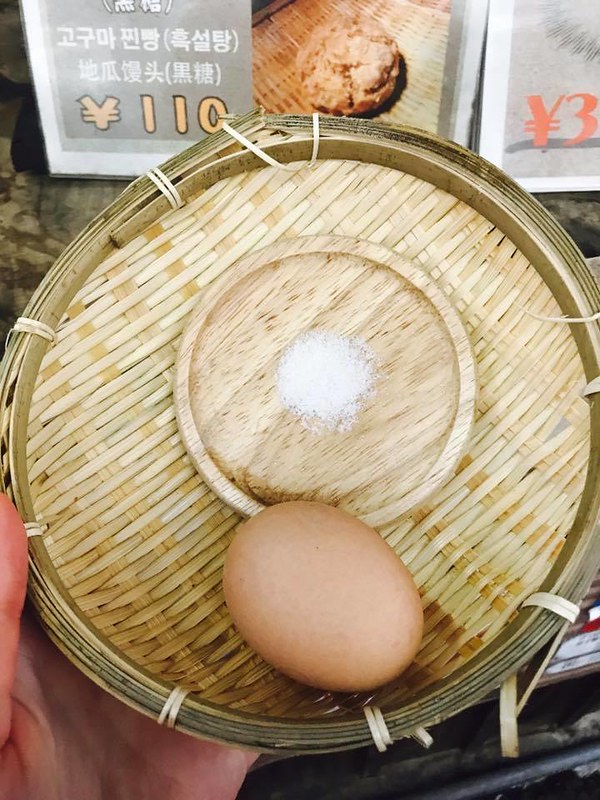
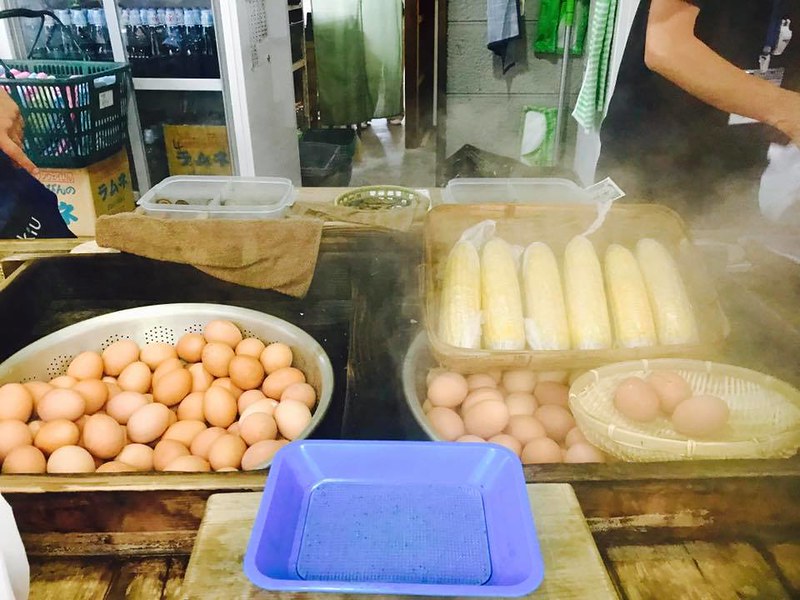
Touring the hells takes about 45 mins – 1 hour but can be done faster if you don’t read through all of the information. If you have time you should definitely try some of the onsen-steamed vegetables and Oita’s famous pudding! I definitely prefer steamed to boiled or fried because it’s healthier. There are also local hot springs that are safe to bathe in around here that you can easily reach.

Address: 559-1 Kannawa, Beppu, Oita 874-0000 (easily accessible by local bus)
Admission Fee: 400 per hell or 2000 yen for all hells*

*Please note there is usually a combined bus ticket and entrance deal. Check with the station or travel agency close to you in Beppu or Oita City.

Monkeys at Mt. Tsurumi

Another huge appeal of Oita are the monkeys at the park at Mt. Tsurumi called Takasakiyama Natural Zoological Garden. Compared to other monkey parks in Japan, the monkeys here are quite active and have a lot of space to run around in the forest that surrounds them. You can get quite close to them but as long as you avert your eyes they won’t attack. Mt. Tsurumi also has the largest ropeway in Kyushu and the view from the top is quite impressive. It feels very nostalgic writing about my early Kyushu adventures and I already want to book another trip here!

Address: 3098-1 Kanzaki, Oita, 870-0802 (easy to reach by local bus)
Admission Fee: 520 yen

Sand Baths at Shoningahama Beach

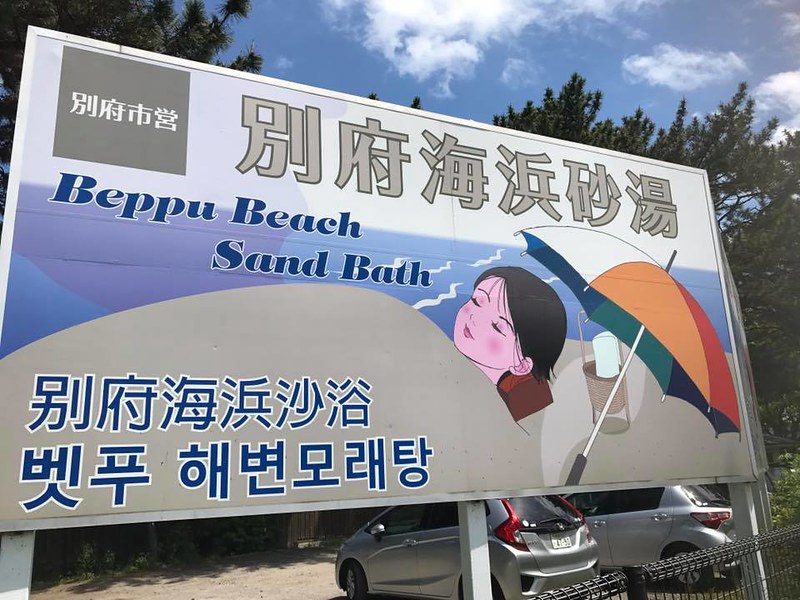
One of the most popular things to do in Oita is take a sand bath on the beach. The process is quite simple: you are given a rental yukata to wear while lying down and are gently buried in steaming sand. The appeal of this is the hot sand is said to improve your blood circulation and have healing properties. Also due to the weight and steam of the sand, the effectivity is greater than bathing in a natural hot spring. When you get up you will feel relaxed and extremely refreshed! I have only tried this once but it felt like being in the sauna for a long duration without all of the sweat. This will definitely relieve any muscle fatigue and make you feel brand new.

Shoningahama Beach is easily accessible from Beppudaigaku Station. The beach itself isn’t that impressive but the sandbaths sure are! You can also take a sand bath in other areas of Japan such as Ibusuki Island and Kagoshima. I would like to try it again in the future!

Address: Shoningahama Beppu
Cost: 1500 yen (Please note there is no online reservation form and it is first come first serve)

Other Points of Interest

I’ve named off the three major points of interest, but here are some other places you may want to check out if you have time:

  • African Safari
  • Umitamago Aquarium
  • Oita Art Museum
  • A trip to Kumamoto or Fukuoka
  • Beppu Onsen

I went to the African Safari which takes you on an exciting adventure in a jungle bus where you can feed exotic animals. Unfortunately I do not have that many pictures because my hands were full, but it was quite the thrill at the time. The main point of Oita is enjoying the hot springs and the beach!

One of my goals this summer is to revisit Kumamoto and take pictures of Mt. Aso. This was something that I tried to do in 2017 but unfortunately not all parts of the volcano were accessible. I look forward to challenging it again in the future!

Exploring Karatsu on the Night of the Olympic Torch Relay

Terrarium at Kankyo Geijitsu no Mori

After spending a lovely evening in my teacup-shaped bath in Ureshino and visiting the cafe featured in Zombieland Saga, I set off for Karatsu which is another featured area from the series. Karatsu is famous for its terraced rice fields and was also one of the locations for the 2021 Olympic Torch Relay. By pure coincidence I just happened to be there on the final day of the relay in Saga on May 9th. Though I didn’t have time to watch it due to my returning flight departing that night to Tokyo, I was happy to see Saga during one of liveliest times. Saga previously had the reputation of being one of the most boring prefectures in Japan, but Zombieland Saga and the relay have changed that. I was able to see so many sights in such a short time so I was overall very satisfied with my trip.

Without further ado, here are my top recommendations in Karatsu:

Kankyo Geijitsu no Mori

Kankyo Geijitsu no Mori is a nature park in the mountains with beautiful flora and an observatory with reflective surfaces where you can take aesthetic pictures. I was very impressed to see trees whose leaves had already turned red here at the start of summer! There are also nature trails that lead you through lush forests and take you to the top of the mountain. The best part about this place is that it’s open year round so you can see the scenery during every season!

Previously I had tried to go to a similar temple in Kyoto called Rurikoin, but it is only open during certain times of the year and requires reservation. Kankyo Geijitsu no Mori is just as beautiful and has no closing time, so I would recommend this place instead.

Getting here was a bit of a challenge as I had to ride to Kyuragi Station from Saga Station on a local train that only comes once or twice per hour and call 3 different taxi companies to take me here, but I can proudly say that my effort was worth it! Show Taxi kindly picked me up from the station and drove me back when I had finished sightseeing without any difficulty. This is one of the best places to do photography in Karatsu and due to its remote location, it is not very crowded either.

Address: 667 Kyuragimachi Hirano, Karatsu, Saga 849-3131

Terraced Rice Fields

One of the best places to view the sunset in Karatsu is at the terraced rice fields of Terraced Rice Fields of Hamanoura because they are usually filled up with water in the summer and have a dramatic backdrop of the sea. The patterns are gorgeous here and almost remind me of scenery in Bali! These are way more interesting than the usual rice fields you find in prefectures just outside of Tokyo, so they were high on my list of things to see. Due to the Olympic Torch Relay taking place in this area, there were a lot of people here but I managed to snap some amazing photos and bask in their beauty.

Once again, these rice fields are a bit remote so I rode the train to Karatsu Station and hailed a cab outside of it. I as extremely fortunate that my driver was familiar with Zombieland Saga and offered to take me around to all of the famous places from the anime. He also informed me that since so many fans of the anime have been coming to Saga lately that the economy here is in quite good shape. This is not the first time that I’ve heard otaku are saving Japan’s economy, and I am very happy to be part of the movement!

Address: Hamanoura, Genkai, Higashimatsuura District, Saga 847-1433

Zombieland Saga Mansion

On the way back to the station, my driver took me to the official mansion from Zombieland Saga! This building was previously the Karatsu City Museum of History and Folklore but closed in 2003. Further back in history, it was also the former Mitsubishi branch of Saga explaining its beautiful western design. Though you can’t go inside of it, you can admire it from afar. If you look at the windows, you may see some familiar zombie idols looking back at you! Nearby this mansion is Ohori Park which you will also recognize from the series. If I had more time I would have gone to Karatsu Castle too, but I am happy enough that I got the chance to see Franchouchou HQ up close! Karatsu Station currently has Zombieland Saga flags and cutouts to welcome tourists, so I felt very at home here.

Saga Rebellion

Episodes 8 and 9 of Zombieland Saga Revenge focus on Yugiri’s past during the Meiji Era of Japan. In this era Saga was seized and became a part of Nagasaki triggering the Saga Rebellion of 1874. After finally being liberated from her job as a high ranking courtesan, Yugiri meets a young man who is determined to restore Saga’s status as an independent prefecture. Watching these episodes really moved me because I learned that the spirit of the people of Saga is unyielding and indigenous. They could have surrendered but they fought for their independence and that is why Saga is its own prefecture separate from Nagasaki today. When I studied the Meiji Era in college, Saga was never once mentioned so I was delighted to learn about this from one of my favorite anime and research it on my own. I hope this series continues to shed light on lesser known facts about history so I can continue to learn about them!

Organic Lunch at Ohisama

While waiting for the infrequent local trains in Saga, I decided to try an organic food restaurant called Ohisama near the castle. This building not only has an amazing kitchen but is also connected to a small store that sells organic food. I happily indulged in their lunch set that was completely vegetarian. Saga cuisine has a ton of flavor and is really out of this world! Everything on my plate was extremely delicious and came with healthy brown rice and miso soup. Yet again I was excited to have eaten such a wholesome meal made with tender care.

Address: 2 Chome-5-30 Tafuse, Saga, 840-0823

Heading Back to the Airport

The most beautiful train ride ever from Karatsu Station to Fukuoka Airport!

Though I really wished I could have stayed to watch the Olympic Torch Relay, I had a flight to catch in Fukuoka and work the next day so I had my driver drop me off at Karatsu station and took the rapid train to the airport. I was about to play my Switch to pass time when I was blinded by an emerging light from the opposite window. This was the most beautiful train ride I had ever experienced because there was so much sunlight and I could sea the ocean and forests of Saga. It felt like I was warping through time and was truly an unforgettable experience—the perfect way to end this trip!

Overall I had an amazing time visiting Fukuoka and Saga over the span of 3 days and am still mindblown by all of the things that I had saw. Although at first I thought Saga was extremely boring compared to the other prefectures in Kyushu, the journey greatly changed my way of thinking and I have Zombieland Saga to thank for that. The history of Saga is extremely rich and I get fired up just thinking about the Saga Rebellion. I am happy that they fought for their independence and won, else this trip would have never been possible!

I hope to come back to Kyushu this summer to see Kagoshima and the volcanic island Sakurajima. It is also a dream of mine to see a rocket launch from Tanegashima, so I am positive I will be back in Kyushi in the future. Thank you for keeping up with my adventures. I will be writing more soon!

Visiting Ureshino, the Cheerful Hot Spring Town from Zombieland Saga

Private teacup baths at Yuzennoyado Toukai.

After a full day of doing some urban exploring of abandoned onsen and aesthetic museums in Takeo, I decided to take a bus to my onsen resort in Ureshino, Saga for some well-deserved relaxation. I chose to stay in Ureshino due to a friend’s recommendation of a famous local onsen with private teacup baths and a beautiful outdoor garden. Unbeknownst to me at the time I made the booking, Ureshino is featured in episode 4 of Zombieland Saga and also has the real life Cafe Moka that serves up amazing sweets just like in the anime! In this article I will be reviewing my stay in Ureshino and will also compare the real locations to their anime counterparts.

Morning Run in Ureshino

My favorite way to start the day in a new place is to go for a middle-distance run so I can get better acquainted with the area. Usually if there is a river or a shrine that I see on the map, I try to run in that direction so I will find the best scenery. Just mere minutes after crossing Ureshino Bridge I came across this beautiful river with stepping stones and multiple waterfalls. This area is actually featured in the first ending song of Zombieland Saga and is within 1km of the main resort area of Ureshino. I couldn’t believe how gorgeous it was! It almost felt like I had been spirited away to another world. You can follow this river trail for quite a long time and it will lead to more luscious nature. It’s no wonder why people come here to escape their busy lives.

Cafe Moka

While referencing the Zombieland Saga Wiki for the best nearby locations to visit, I noticed the famous sweets cafe in episode 4 was just 6 mins walking from my resort. What crazy luck was that! Cafe Moka has some of the best parfaits in Saga and also serves Japanese dishes like curry too. With its cozy atmosphere and welcoming staff, I can see why it was popular even before Zombieland Saga was released! Now that the 2nd season is airing, there is a bit of a wait to get in, but fortunately I was able to get a table. The first time I walked in the owner’s younger daughter came out to greet me, but then immediately noticed I was foreign and was at a loss for words—she just blinked at me and stared. I thought that her reaction was one of the best that I have gotten in a while! After traveling all over the world these kinds of things don’t even phase me any more, but I will admit it was funny. The owner sincerely apologized that the cafe was full but I decided to use the hot springs at my resort and come back. The second time I arrived an hour before the cafe closed and was seated, and it proved to be well worth the wait!

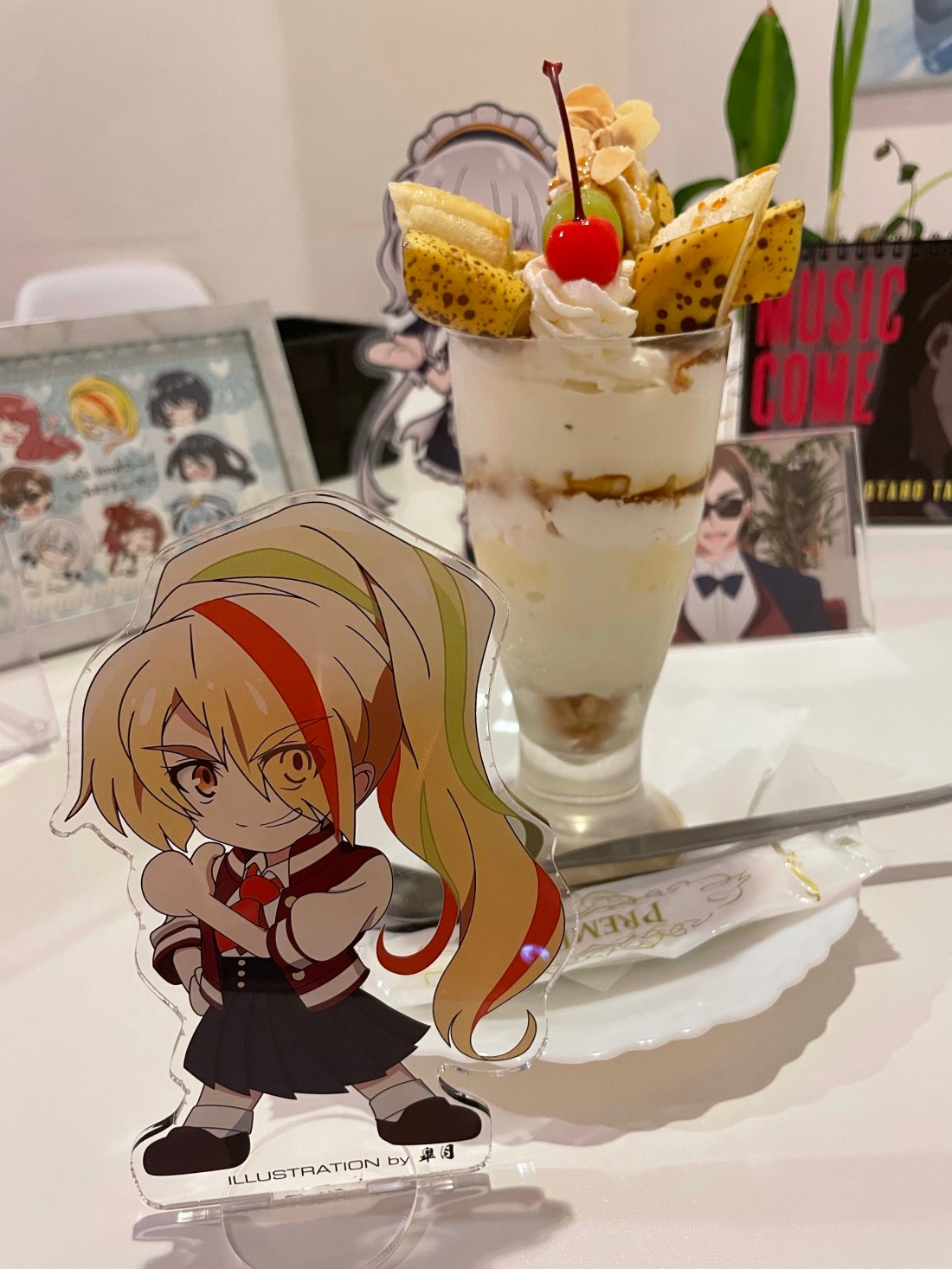
Though there were a lot of delicious sweets on the menu, I decided to go with the banana caramel parfait because I love Kyushu bananas. The whole entire time I was here I felt complete euphoria. There were posters and plaques autographed by the voice actors and MAPPA animators as well as figures galore. The owner brought out several notebooks with messages from them as well while I waited! As she served me my parfait, she asked me what zombie girl was my favorite and I had to say Saki.  I’d be friends with all the girls in Zombieland Saga, but Saki has the funniest and most unique personality. She has really interesting taste in everything from fashion to men and would for sure be the best girl to drink with. She always has the best punch lines too!

After spending around an hour here soaking up the full otaku culture, I decided to head back to my resort. The owner handed me the official Zombieland Saga Stamp Rally Map with the custom Cafe Moka stamp on it. Though making it to all of these locations without a car would be difficult, it could be done in approximately 4-5 days and is a good reference for even non-anime fans because it contains the most exciting highlights of Saga:

Official Zombieland Saga Stamp Rally Map

Main Points of Interest in Ureshino from Zombieland Saga

Here are the main points of interest that you can see on foot in Ureshino. All of these locations from Zombieland Saga took less than 15 minutes to see!

It’s absolutely mind-boggling to think that the artists and animators caught so many intricate details of this town, especially the pattern of the stray cats! Additionally I thought the legend of going to Toyotamahime Shrine and touching the white catfish to have beautiful skin was made up as part of the story, but it’s actually true! Visiting the shrine was so much fun and I would have never known about it if it wasn’t for this amazing series. I was happy to discover the foot baths and design of the bridge and resorts in the anime perfectly capture the essence of the real life Ureshino too. The overall atmosphere of Ureshino was very lively despite the pandemic and people were out and about at night wearing yukata. Fortunately Saga has not entered an emergency state so you can enjoy most of the scenery uninterrupted. It has a magic quality that you just simply can’t find in the city, so please visit if you get the chance!

Accommodation

Though there are a lot of wonderful onsen to stay at in Ureshino, I chose Yuzennoyado Toukai thanks to its beautiful teacup bath design. Staying here one night costs around 6000 yen and is well worth the price. The room that I stayed in by myself was spacious, quiet, and very clean. There are two different bathsa large shared one and the private outdoor teacups that you can reserve by calling the lobby. I recommend trying them both because they provide unique experiences that will relax and heal your body. There were ping pong tables in the lobby just like in anime too. It was almost too good to be true! I cherish my experience here because it brought me closer to nature and also gave me the chance to relive scenes from Zombieland Saga.

Thank you for reading about my experience in Ureshino! If you have any questions about Saga, please feel free to ask me. I will be writing one more article about Karatsu in this series. Please look forward to reading it later this weekend!